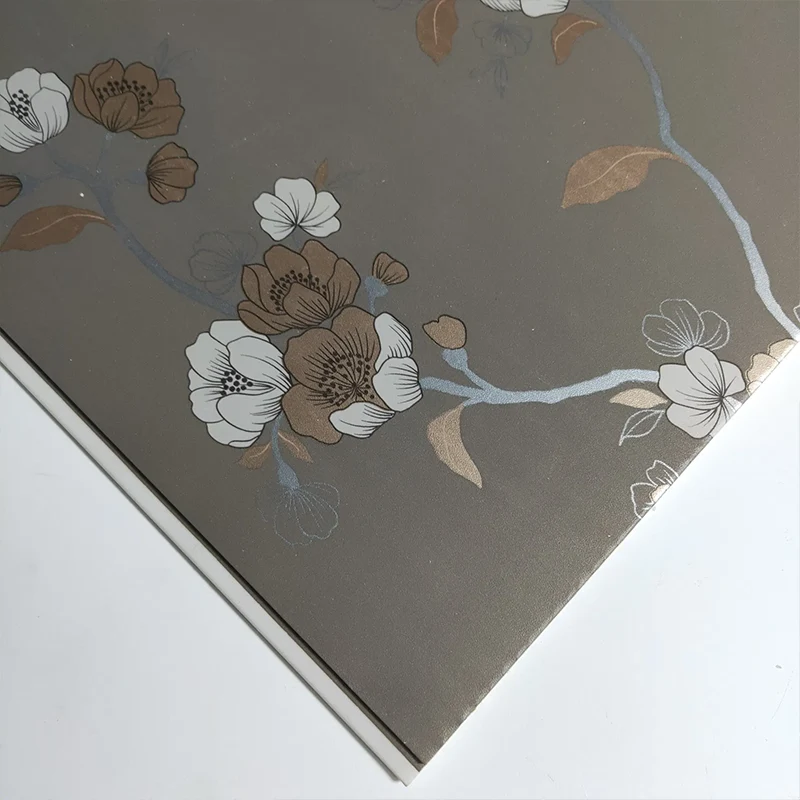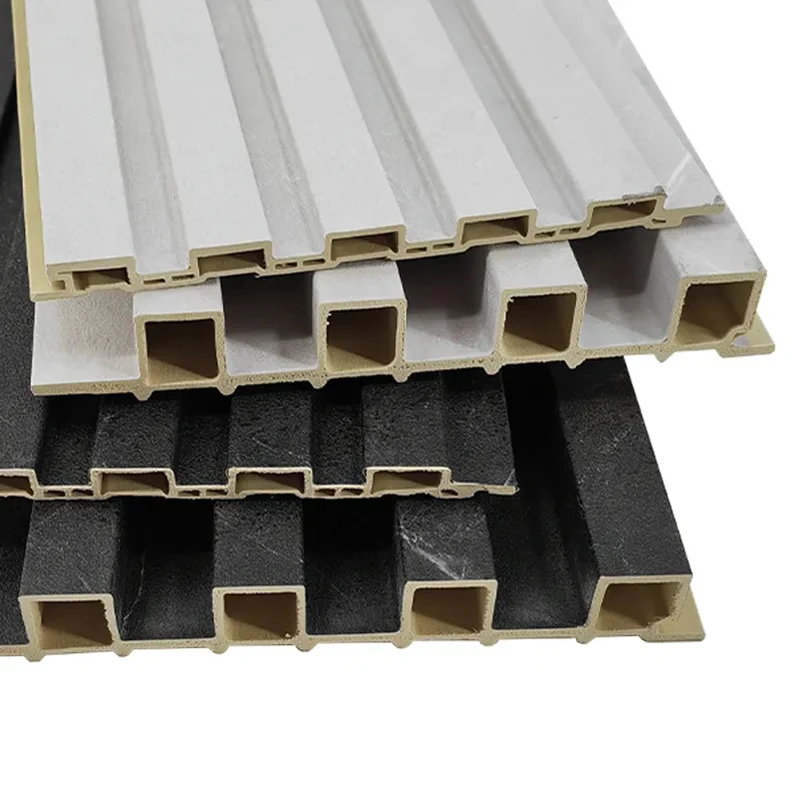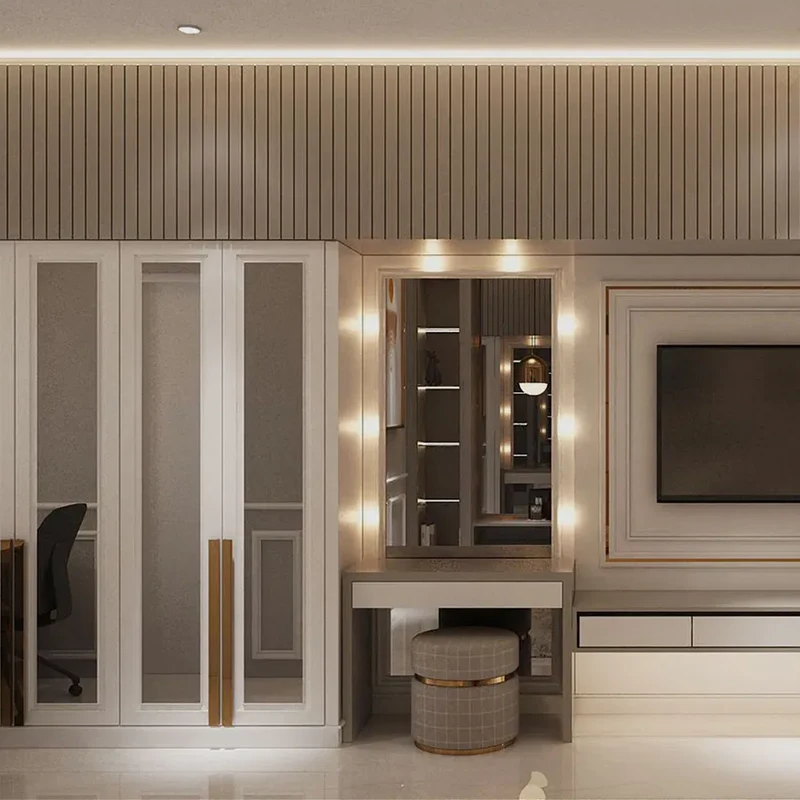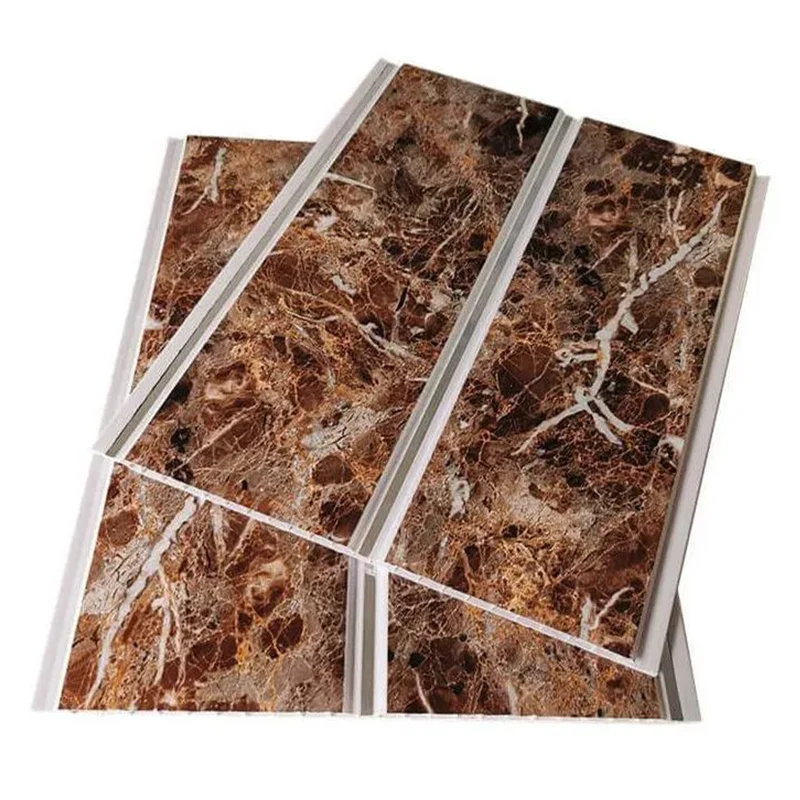

In daily renovation or procurement, we often come across the term "UV board." However, many people easily confuse the two — the UV decorative panels used in home interiors and the UV sheet panels used in agricultural greenhouses are actually two completely different product categories. Today, we'll sort out the details to help you choose and use the right one.
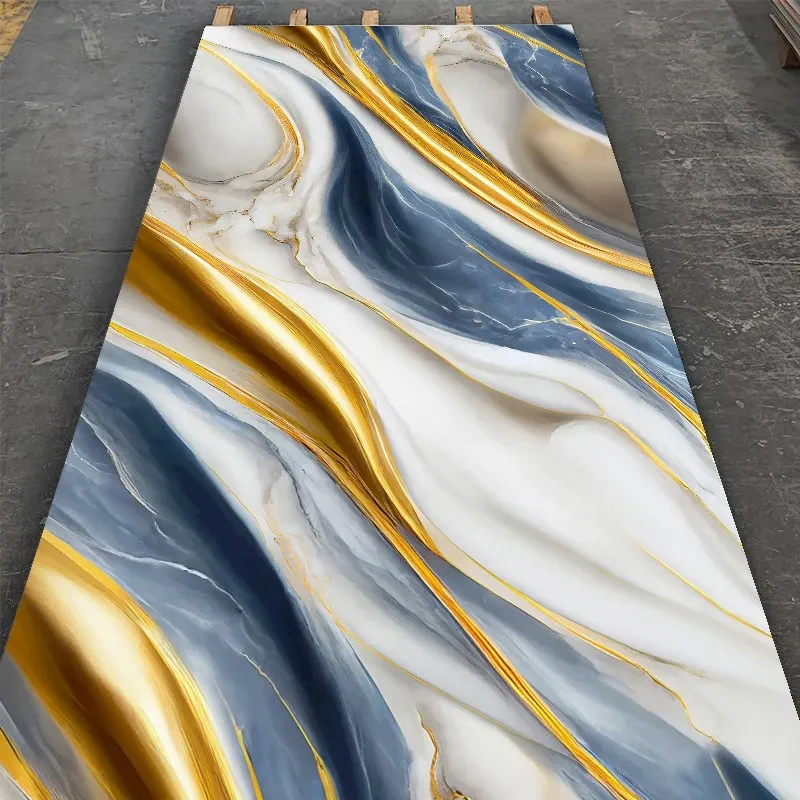
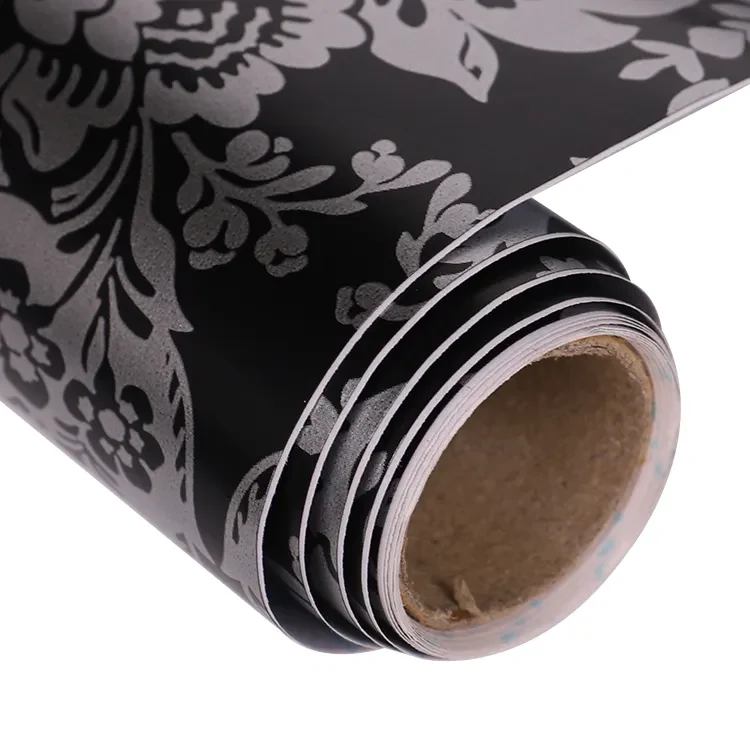
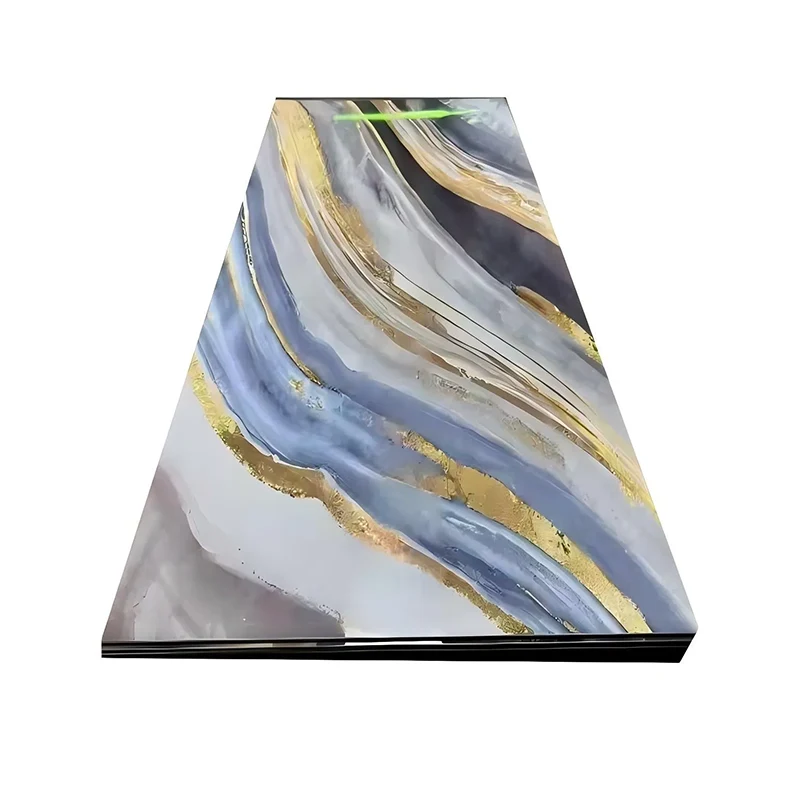
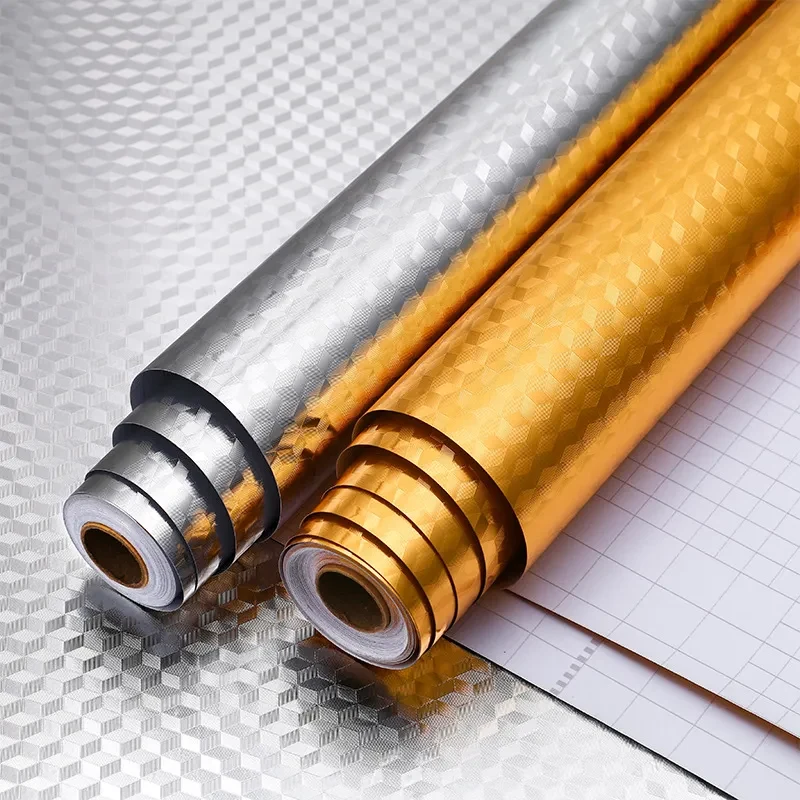
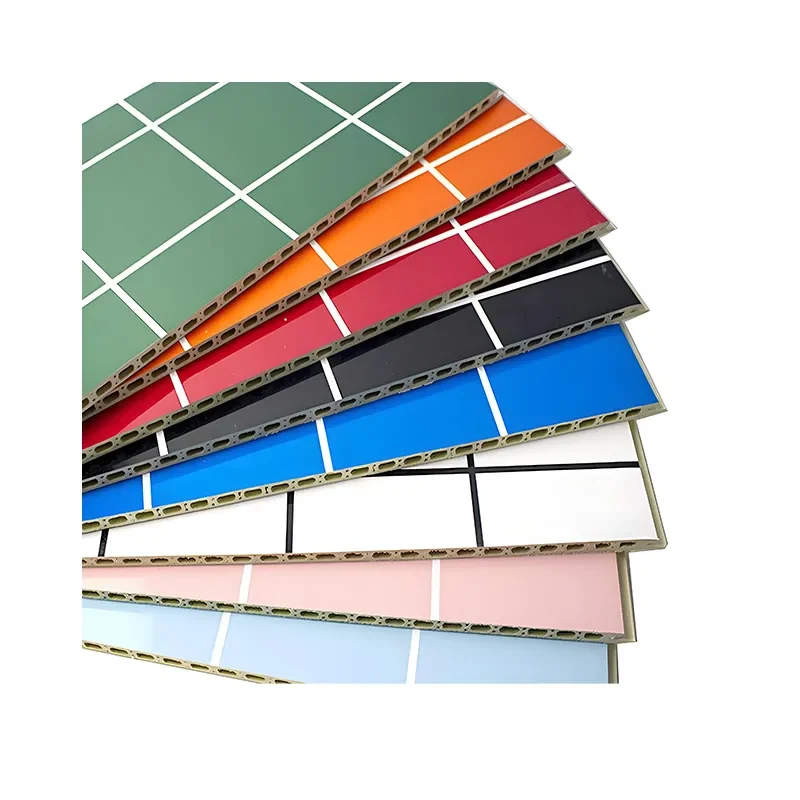
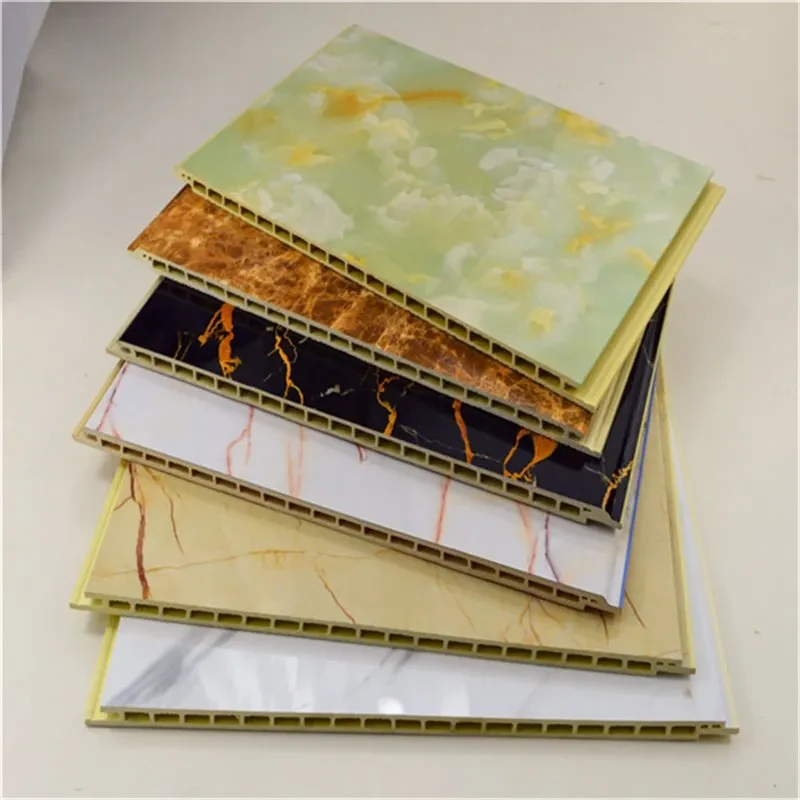
What we commonly see in kitchen cabinet doors, wardrobe panels, and interior decorative surfaces — referred to as "UV boards" — are technically UV-cured decorative panels. This is not a specific material, but rather a surface finishing technology.
Simply put, it starts with a substrate material such as Medium Density Fiberboard (MDF), plywood, or particleboard. A layer of UV-curable paint (ultraviolet-curing lacquer) is applied to the surface, which is then instantly cured and solidified under intense ultraviolet light from a UV curing machine.
Key advantages of this technology:
Superior surface finish: The cured film is dense and can achieve a high-gloss, mirror-like effect with rich, vibrant colors.
Good physical performance: The surface is hard, wear-resistant, scratch-resistant, and offers a certain degree of resistance to acid and alkali corrosion.
However, there are important limitations to be aware of:
Yellowing over time: White or light-colored UV panels are prone to yellowing when exposed to prolonged direct sunlight — this remains a challenging issue within the industry.
Susceptibility to chipping: While the surface is hard, the coating can chip or peel upon heavy impact.
Limited heat resistance: Performance under high temperatures is relatively modest, so caution is advised in kitchens or other high-heat areas.
Practical Tip: If you're purchasing UV panels for indoor furniture or cabinet doors, the key considerations should be the substrate's eco-grade (formaldehyde emission level) and surface flatness. Don't get overly fixated on the "UV" label — it primarily indicates a mature surface finishing process rather than a premium material property.
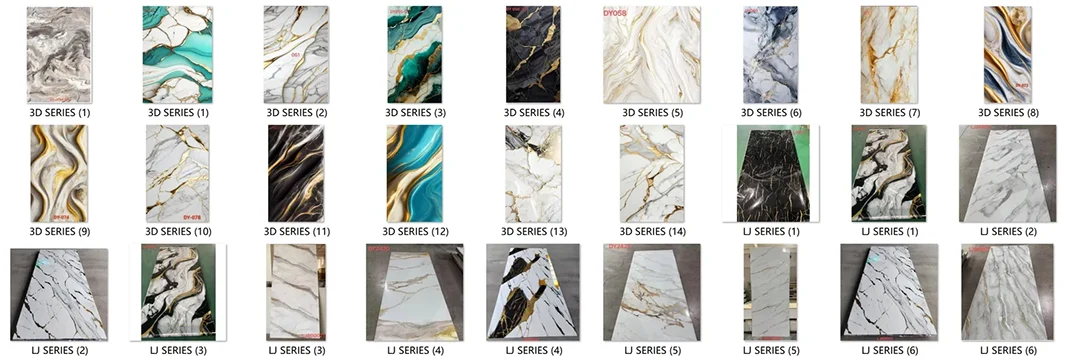
The other type commonly referred to as "UV sheets" are functional engineering panels used in greenhouses, sunrooms, skylights, and other outdoor or semi-outdoor applications — such as UV-PC (polycarbonate) sheets or UV-PMMA (acrylic) sheets. In this context, "UV" refers to the panel's built-in capability to control ultraviolet transmission or provide protection, rather than a surface coating.
These products serve distinctly different purposes:
UV-protective sheets: Used for greenhouse covers and sunroom roofing, these panels incorporate UV absorbers or coatings to block harmful UV-B and UV-C radiation, protecting both people and plants inside while allowing visible light to pass through — achieving a balance between daylighting and protection. Premium PC sheets can block up to 99% of UV radiation and offer warranties of 10 years or more.
UV-transmissive sheets: This is a specialized product, such as PLEXIGLAS® XT 0A370, which is engineered to allow UV-A and UV-B radiation to pass through. This may seem counterintuitive, but it serves specific applications including tanning beds, greenhouse cultivation requiring UV exposure, and solar water disinfection (SODIS) systems.
Industry Insight: When selecting outdoor daylighting panels, pay close attention to "co-extruded UV layer" technology. High-quality panels have their UV-protective layer co-extruded together with the base material during manufacturing, rather than applied as a post-coating. This co-extruded layer will not delaminate or peel over time, ensuring significantly longer protection life.
| Dimension | Interior UV Decorative Panels | Outdoor Functional UV Sheets |
|---|---|---|
| Core Definition | Decorative panels with a UV-cured lacquer finish | Engineering polymer sheets with UV protection or transmission functionality |
| Common Substrates | MDF, plywood, particleboard | PC (polycarbonate), PMMA (acrylic) |
| Primary Applications | Cabinets, wardrobes, interior wall cladding | Greenhouses, sunrooms, skylights, building facades |
| Key Metrics | Surface hardness, eco-grade, gloss level | UV rejection rate, light transmittance, impact resistance, weatherproof lifespan |