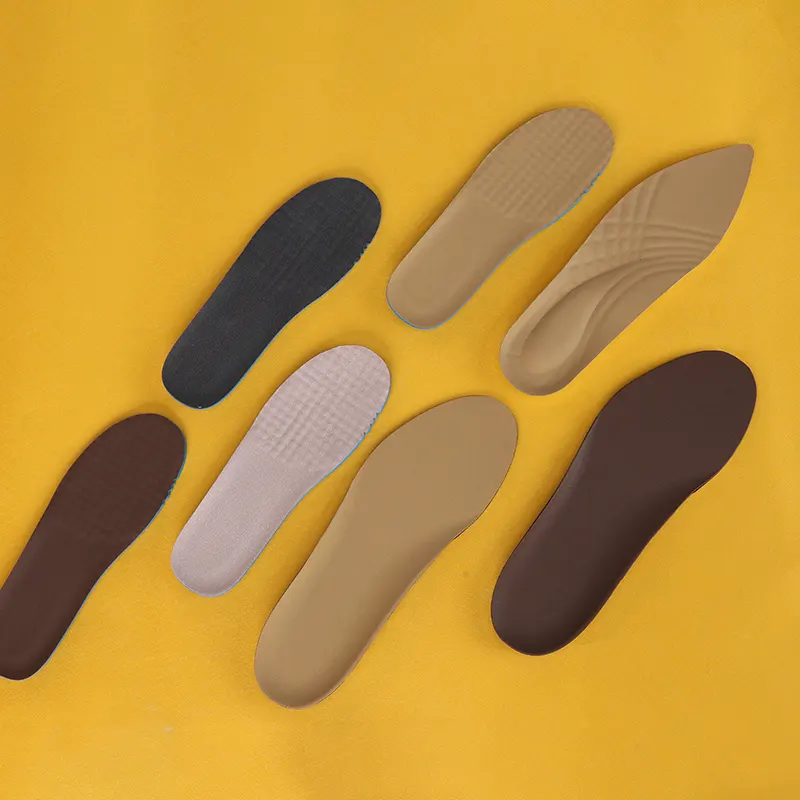
In the competitive landscape of modern footwear manufacturing, selecting materials that balance eco-responsibility and peak functionality is a strategic imperative. Our Breathable Recycled Shoe Lining answers this challenge by delivering superior airflow and moisture management while championing circular resource use. Constructed primarily from post-consumer PET bottles transformed into high-grade polyester fibers, this lining reduces reliance on virgin oil-based polymers and diverts plastic waste from landfills and oceans. The innovative 3D spacer structure creates micro-channels that actively circulate air, wick sweat away from the skin, and accelerate evaporation—keeping the interior microclimate fresh even during intense activity. Rigorous lab tests confirm a vertical wicking height of over 100 mm in 10 minutes and a drying rate twice that of conventional foam-backed linings. Additionally, the Recycled Polyester Breathable Lining variant offers an even lighter profile with a featherweight 120 g/m² mass, making it a top choice for brands prioritizing ultralight running and trail shoes. Both versions are fully compliant with REACH and CPSIA regulations, and our supply chain is GRS-certified to guarantee authenticity. The material’s inherent resistance to pilling, shrinkage, and color fading ensures that shoes retain their premium look and feel over extended use. Engineered for seamless integration with strobel construction, cementing, and direct inject processes, the lining exhibits excellent adhesion to water-based and hot-melt adhesives, minimizing production line issues. The soft hand feel enhances perceived quality, while the natural elasticity allows 15–20% stretch, accommodating diverse foot shapes and reducing blister risk. With a continuous operating temperature range of -20°C to 50°C, it performs reliably in cold-weather boots and summer sneakers alike.
The Recycled Breathable Shoe Lining undergoes a proprietary finishing treatment that embeds silver-ion antimicrobial technology without compromising breathability. Third-party testing according to ISO 20743 standards demonstrates over 99.9% reduction in Staphylococcus aureus and Klebsiella pneumoniae after 24 hours, effectively controlling odor and prolonging freshness. Its surface pH is buffered between 6.0 and 7.0, making it safe for direct contact with sensitive skin and preventing allergic reactions. In addition, the material achieves a grade 4–5 colorfastness rating under AATCC 61 and 72 hours of UV exposure, ensuring that bright whites and deep hues remain stable even under harsh washing and sunlight. The lining’s mechanical durability is evidenced by a Martindale abrasion resistance exceeding 50,000 cycles without visible wear, a tear strength above 15 N in both warp and weft directions, and seam slippage resistance of less than 1 mm at 80 N load. The Recycled Breathable Shoe Lining is supplied in standard 140 cm or 150 cm roll widths, with customized slitting available down to 10 mm increments, optimizing material usage and reducing cutting waste. Each roll is labeled with lot-specific QC data, including thickness, weight, and moisture vapor transmission rate (MVTR), which is consistently maintained above 800 g/m²/24h under ASTM E96 desiccant method. This transparency allows factory managers to adjust cutting parameters for maximum efficiency. The lining can be combined with recycled foam or perforated polyurethane backings to achieve varying levels of cushioning, allowing designers to tailor the ride without altering the shoe’s footprint. Furthermore, its low VOC emissions meet the strict limits of several indoor air quality certifications, contributing to healthier manufacturing environments and end-user well-being.
Core Advantages
Technical Specifications
| Property | Test Standard | Typical Value |
|---|---|---|
| Material Composition | Internal method | 100% recycled polyester (GRS certified) |
| Weight | ISO 3801 | 120 – 160 g/m² (variant dependent) |
| Thickness | ISO 5084 | 1.0 – 1.4 mm |
| Air Permeability | ISO 9237 (100 Pa) | > 1800 mm/s |
| Moisture Vapor Transmission | ASTM E96 (Desiccant) | > 800 g/m²/24h |
| Vertical Wicking Height | JIS L 1907 (Byreck) | > 100 mm / 10 min |
| Tensile Strength (Warp/Weft) | ISO 13934-1 | > 400 N / > 350 N |
| Tear Strength (Warp/Weft) | ISO 13937-1 | > 18 N / > 15 N |
| Seam Slippage Resistance | ISO 13936-2 (80 N) | < 1.0 mm |
| Martindale Abrasion | ISO 12947-2 (12 kPa) | > 50,000 cycles (no rupture) |
| Antimicrobial Activity | ISO 20743 | > 99.9% reduction (S. aureus, K. pneumoniae) |
| Stretch (Warp/Weft) | ASTM D2594 | 15 – 20% / 18 – 25% |
| Colorfastness to Wash | AATCC 61 (2A) | Grade 4–5 |
| Colorfastness to Light | AATCC 16.3 (72 h) | Grade 4–5 |
| pH Value | ISO 3071 | 5.5 – 7.0 |
| Certifications | — | GRS, OEKO-TEX Standard 100, REACH, CPSIA |