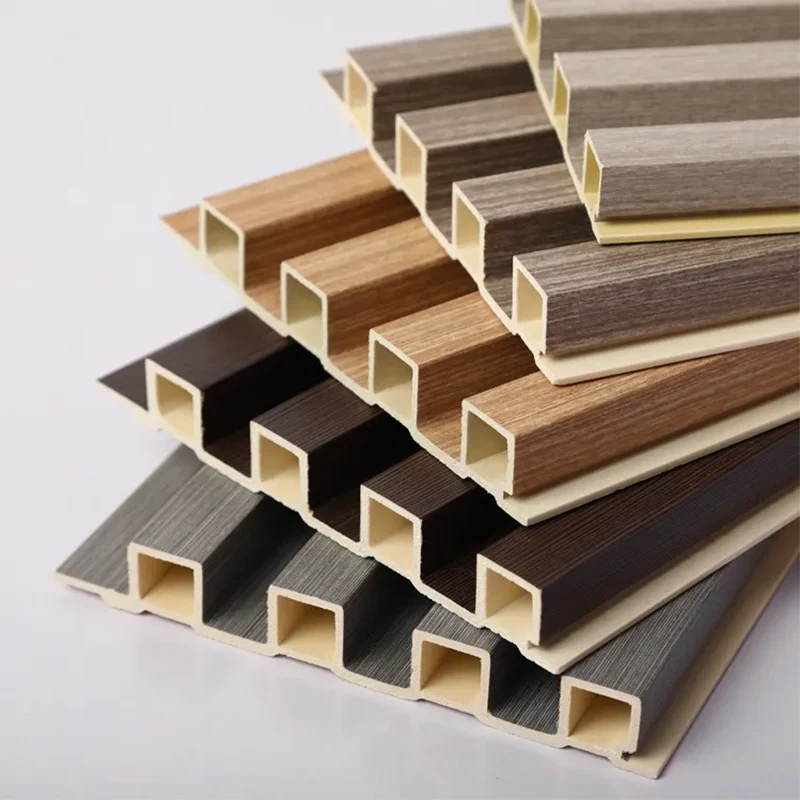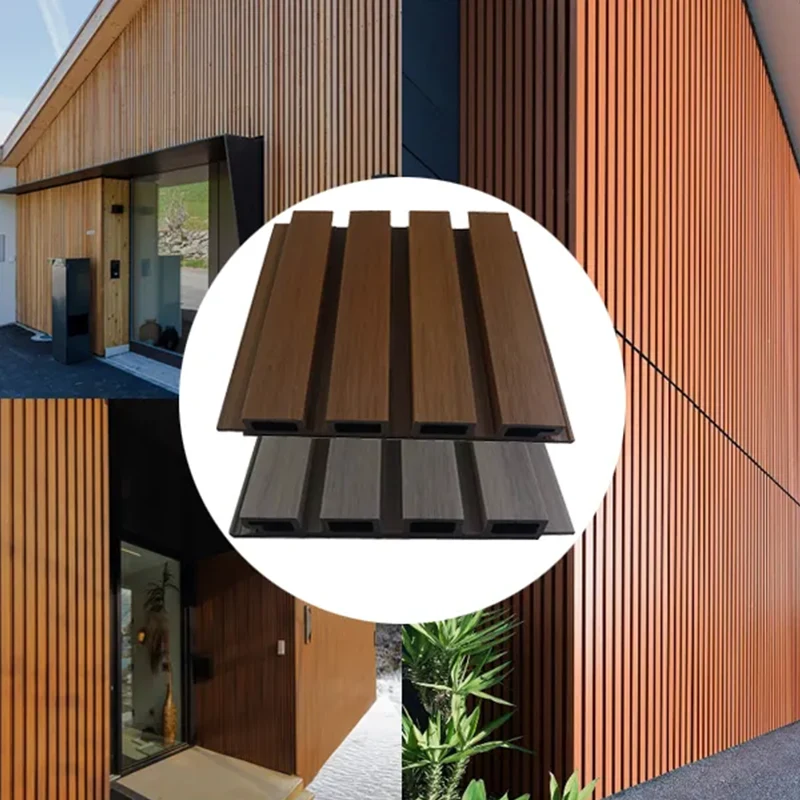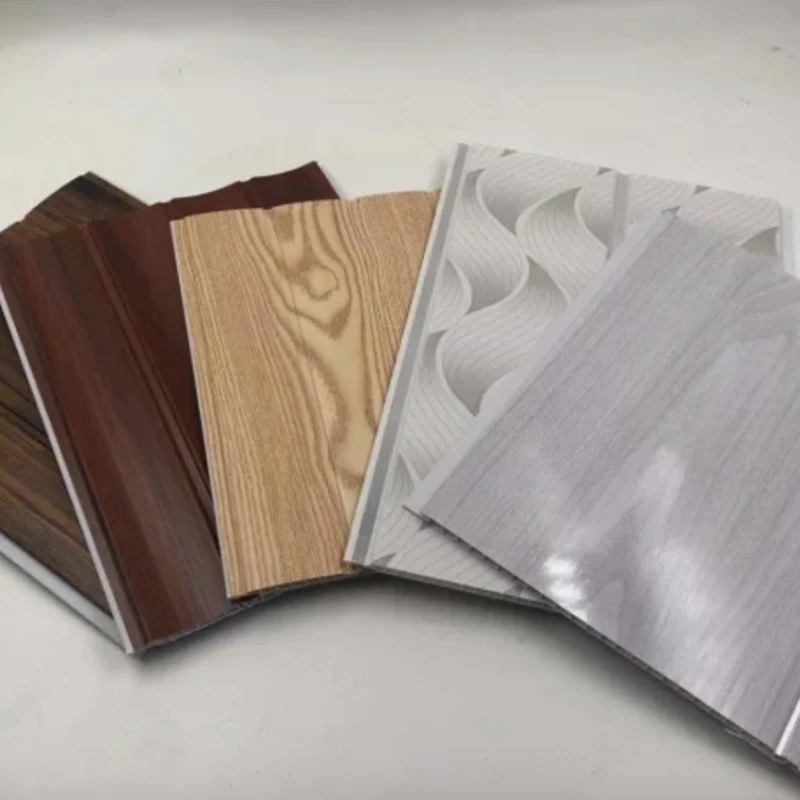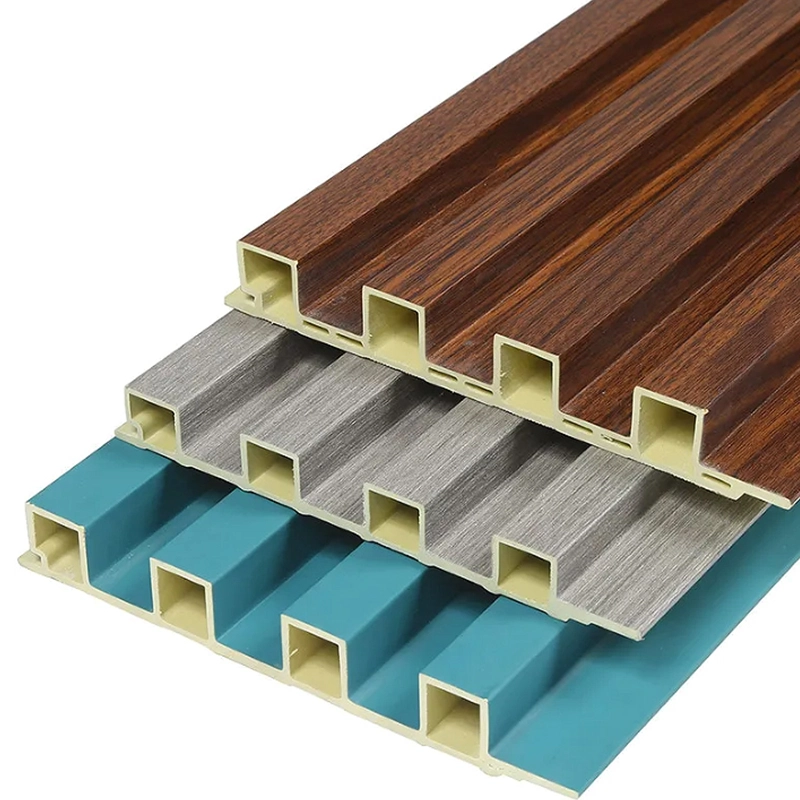
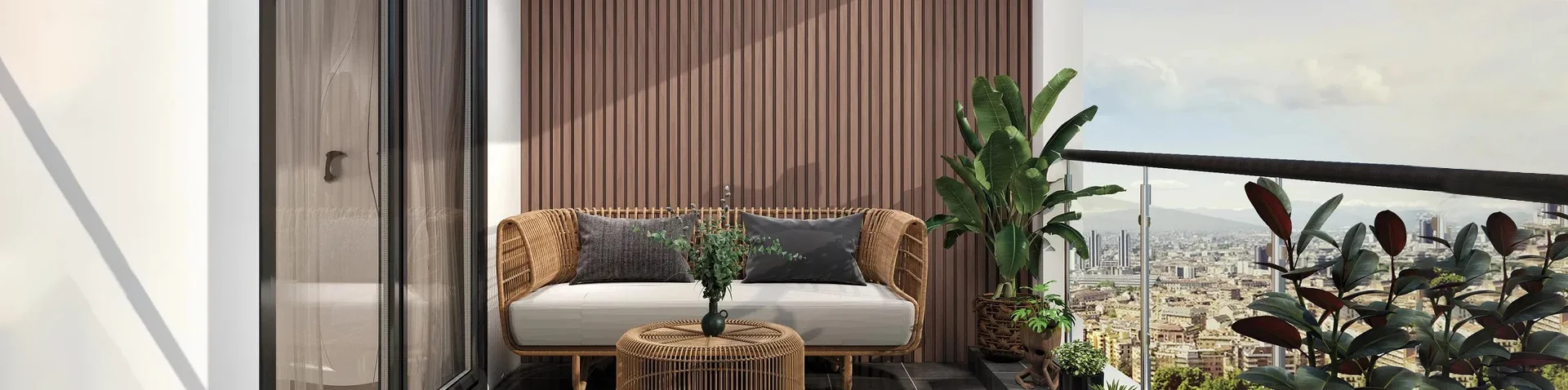
When selecting cladding for outdoor structures, property owners face constant threats from moisture ingress, fungal growth, and structural degradation. Traditional wood siding requires frequent sealing and painting, while fiber cement boards can become brittle and absorb water over time. Our Anti-Rotting Wpc Exterior Wall Cladding permanently resolves these issues through a unique co-extrusion process that encapsulates a dense composite core with an impermeable polymer shell. This system is both load-bearing and aesthetically versatile, making it suitable for high-traffic commercial exteriors as well as quiet residential settings. Unlike PVC panels, the wood-plastic composition provides a reassuring solidity and thermal stability that prevents warping in direct sun exposure. Every panel undergoes rigorous accelerated weathering tests to ensure decades of maintenance-free performance.
Installers appreciate the Rot Proof Outdoor Composite Wall Panel for its precision-milled edges and straightforward tongue-and-groove attachment that eliminates visible screws. The surface embossing is exact down to micro-level grain variations, offering an authentic, splinter-free tactile experience. These panels are engineered to maintain structural integrity in temperatures ranging from -40°F to 140°F, accommodating freeze-thaw cycles without cracking. Acoustic dampening properties reduce external noise, which is especially beneficial for buildings located near busy roadways. In addition, the material’s low thermal conductivity helps stabilize interior temperatures, contributing to energy savings when integrated into an insulated façade system.
Material Composition & Manufacturing
Each panel is produced under ISO 9001 quality controls and undergoes 100% dimensional inspection before packing. The core consists of 60% reclaimed wood fiber milled to a consistent 80–120 mesh, combined with 30% high-density polyethylene sourced from post-consumer recycling streams. A 0.5mm co-extruded ASA cap layer delivers exceptional scratch and UV resistance without masking the deep woodgrain texture.
Key Advantages at a Glance
Technical Specifications
| Parameter | Specification |
|---|---|
| Core Material | Wood-plastic composite (60% wood fiber, 30% HDPE, 10% additives) |
| Surface Cap | 0.5 mm ASA co-extrusion, UV-stabilized matte embossed grain |
| Standard Dimensions (W×T×L) | 156 mm × 24 mm × 3000 mm / 3600 mm (custom lengths available) |
| Weight | 4.8 kg per linear meter (approx. 10.5 lbs per linear foot) |
| Density | 1.38 g/cm³ (±0.05) |
| Water Absorption (24h) | ≤ 0.3% (ASTM D570) |
| Flexural Strength | ≥ 28 MPa (ASTM D790) |
| Modulus of Elasticity | ≥ 3800 MPa |
| Linear Thermal Expansion | ≤ 3.2 × 10⁻⁵ /°C |
| Fire Classification | EN 13501-1 B-s1,d0 |
| Slip Resistance | R10 (DIN 51130) |
| Colorfastness | 2000 h Xenon arc, ΔE ≤ 3.0 |
| Warranty | 15 years against rot, delamination, and termite damage |
Color Options & Customization
Available finishes include weathered teak, smoked oak, burnt cedar, slate grey, and ivory white. Each panel receives a randomized multi-pass embossing that mimics natural wood variation, ensuring no two boards appear identical. Custom RAL matches are supported for architectural projects requiring brand-specific colors, with batch consistency validated by spectrophotometer readings before shipment.
Green Building Contributions
The panels contribute to LEED credits through high recycled content and extremely low VOC emissions. Independent lab reports confirm formaldehyde concentrations below 0.03 ppm, far under the E1 threshold, making the material safe for schools, hospitals, and eco-sensitive developments. The manufacturing process reclaims nearly all process water and recycles off-spec material back into the production stream.
Installation & Long-Term Performance
A concealed clip system accommodates thermal movement without buckling, while a self-draining 5 mm joint channels moisture away from the building envelope. A single crew can clad up to 150 m² per day using standard carpentry tools, eliminating on-site painting and weather-dependent curing. Salt spray testing per ASTM B117 shows no blistering or corrosion after 1000 hours, confirming suitability for oceanfront and high-humidity applications. Maintenance consists of occasional rinsing with a hose; no sanding, staining, or sealing is ever required, significantly lowering total ownership costs over the building’s lifespan.