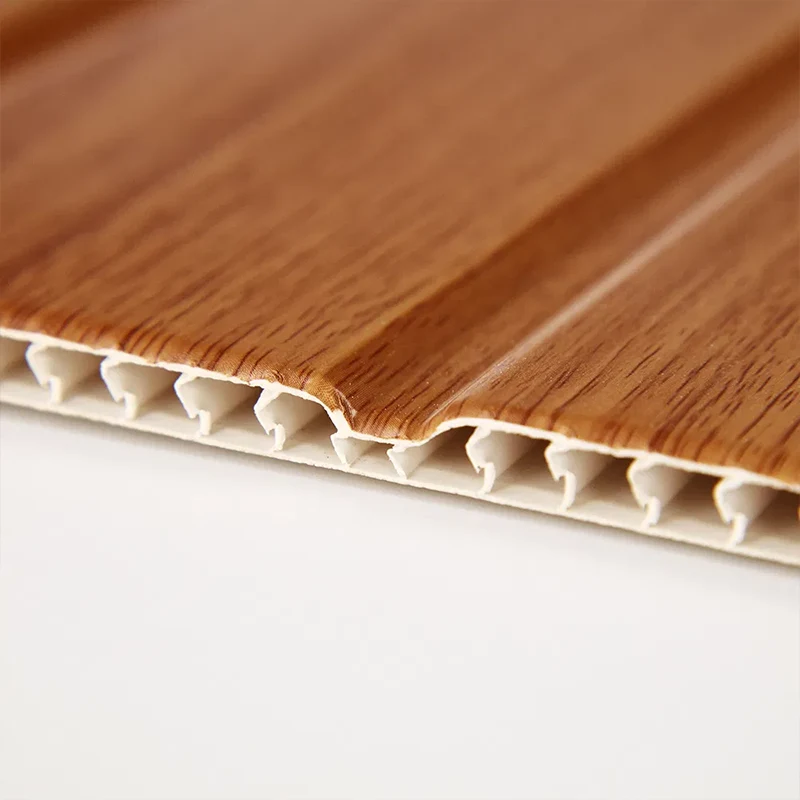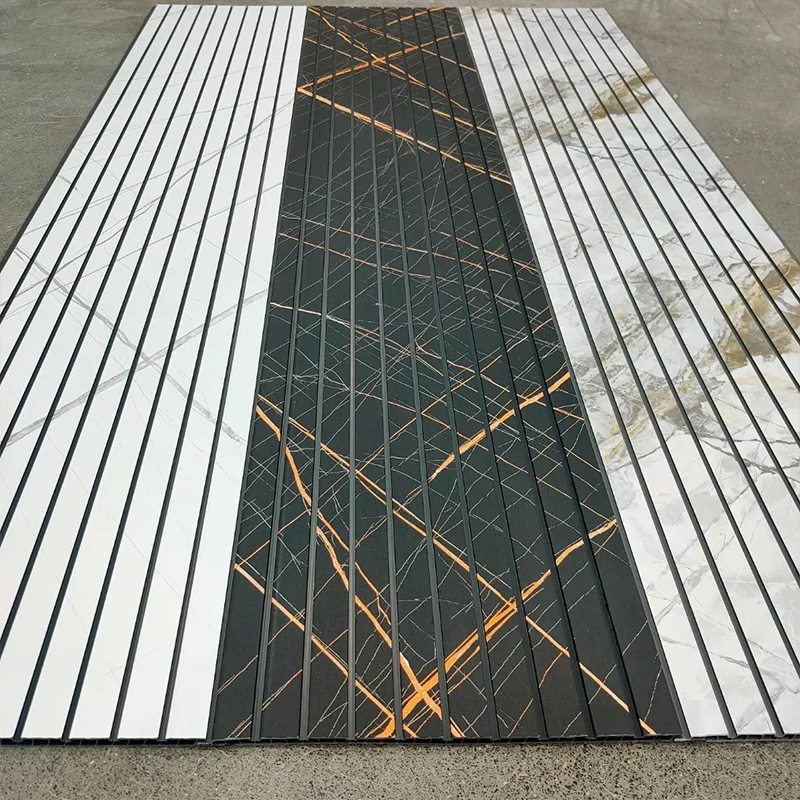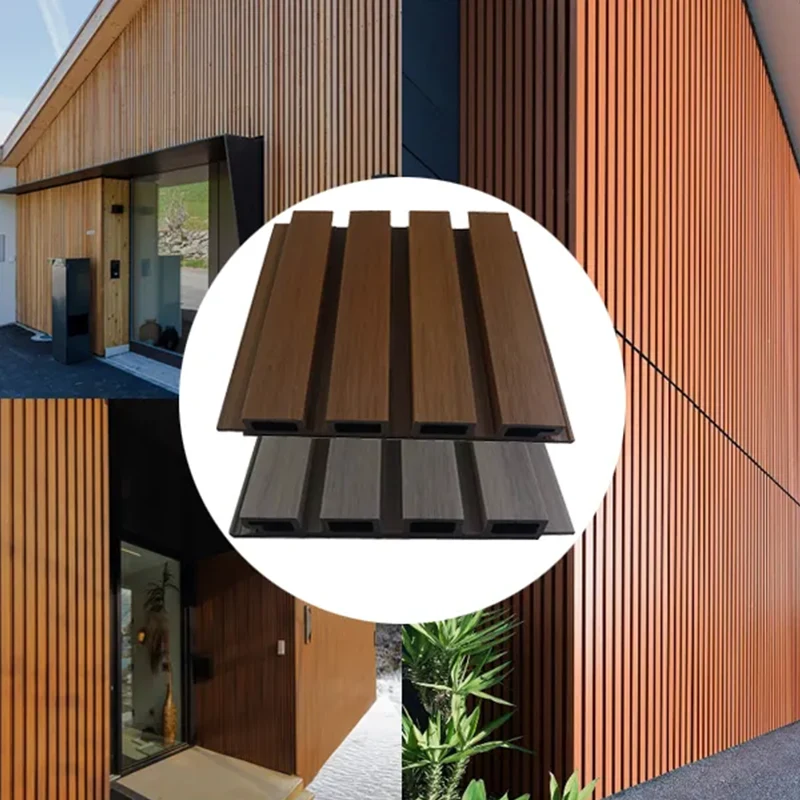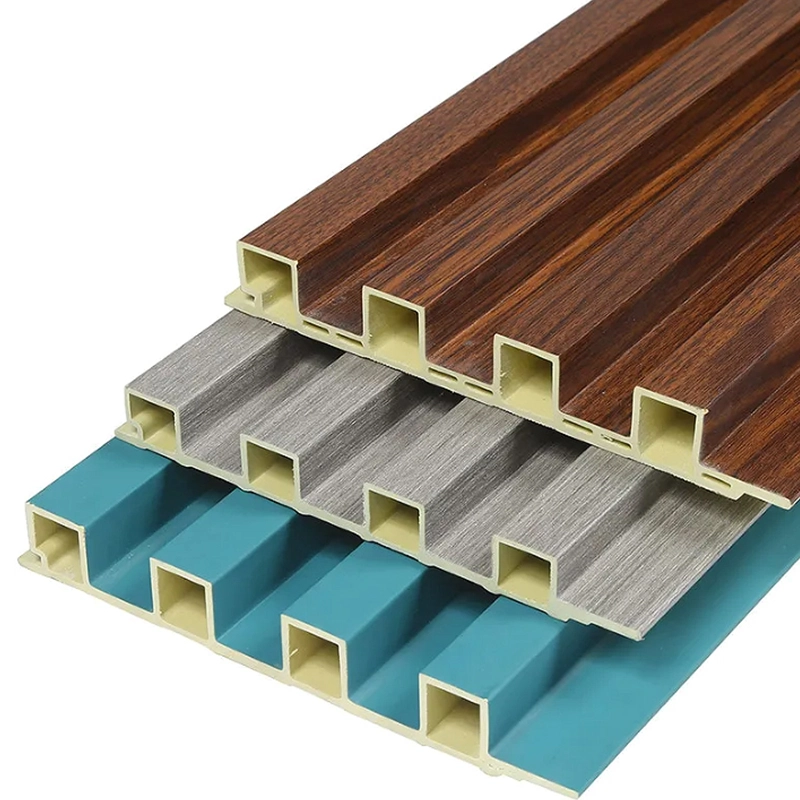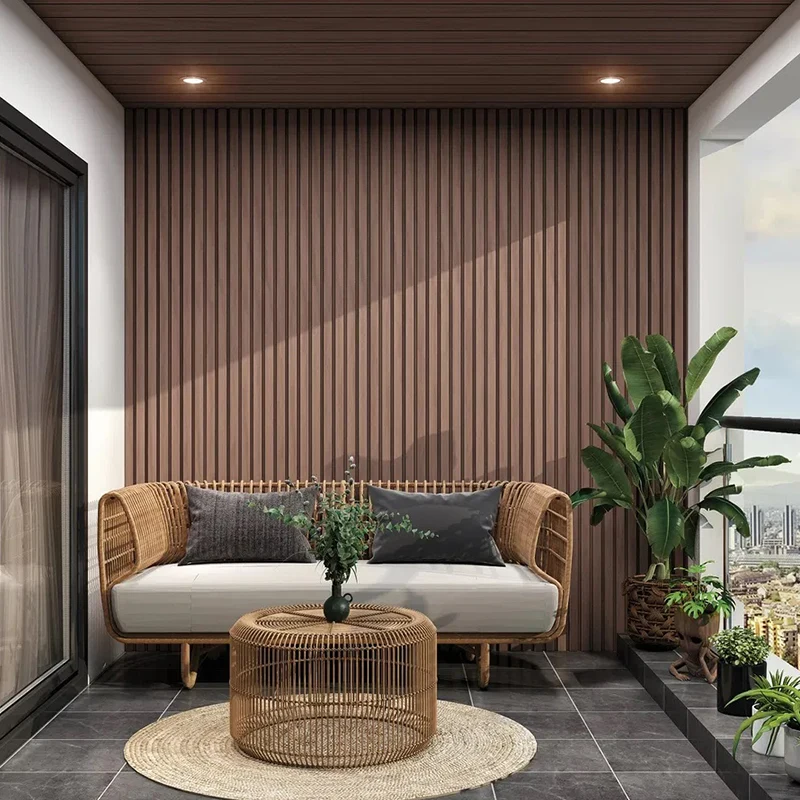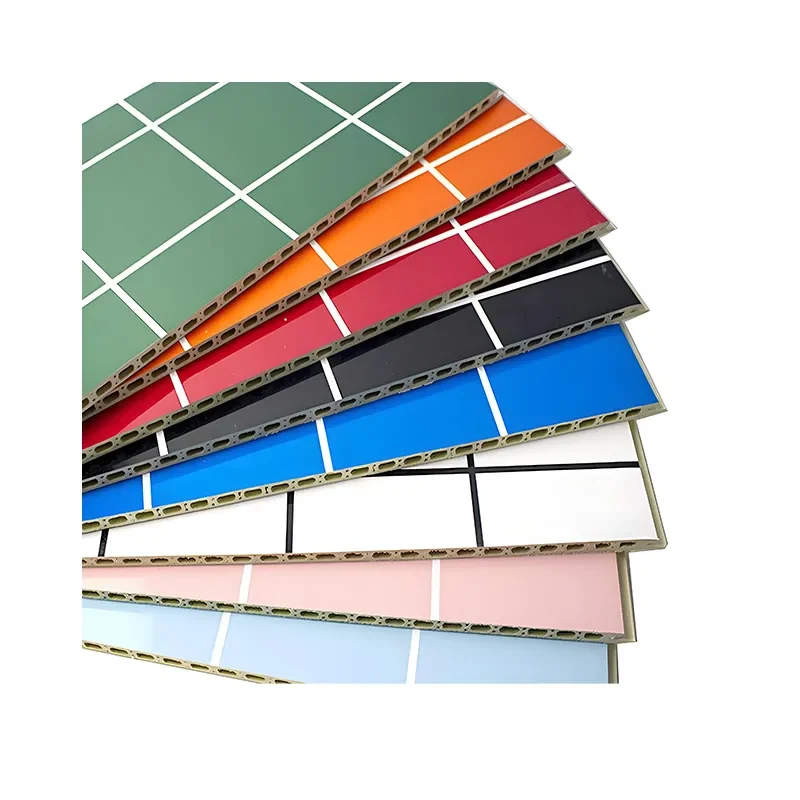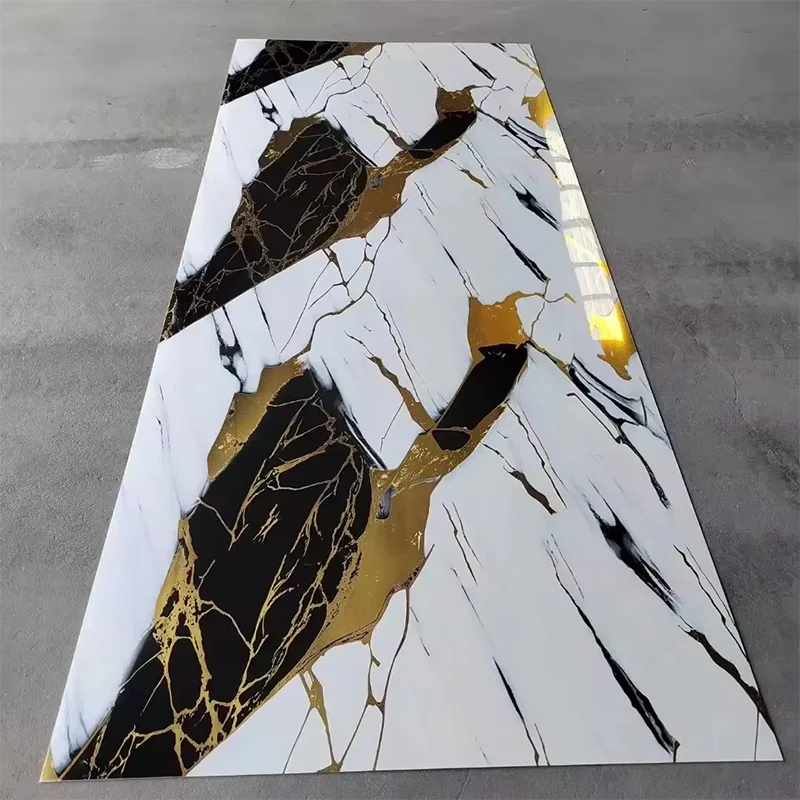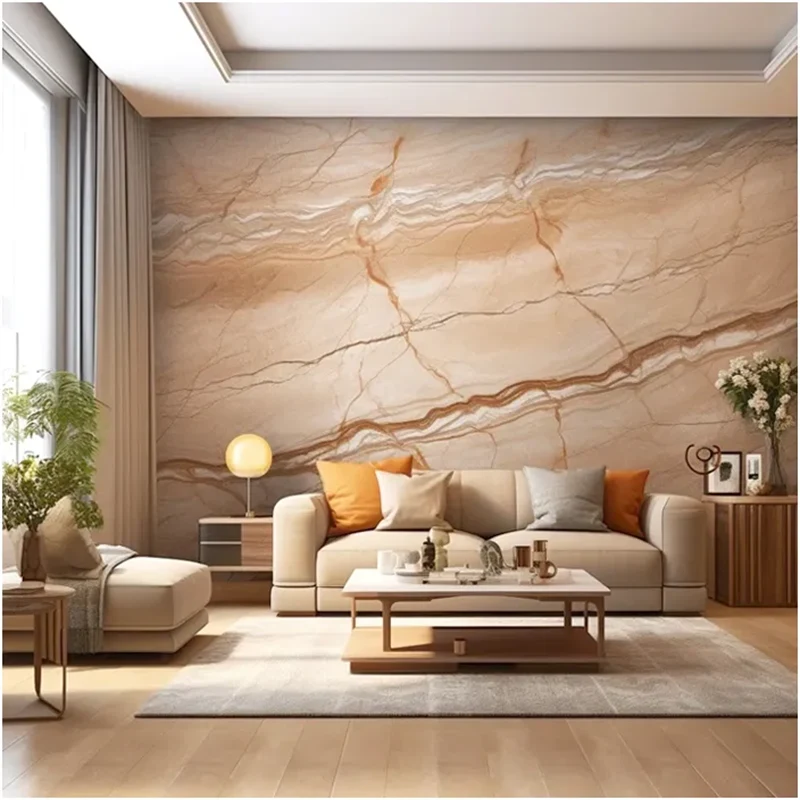
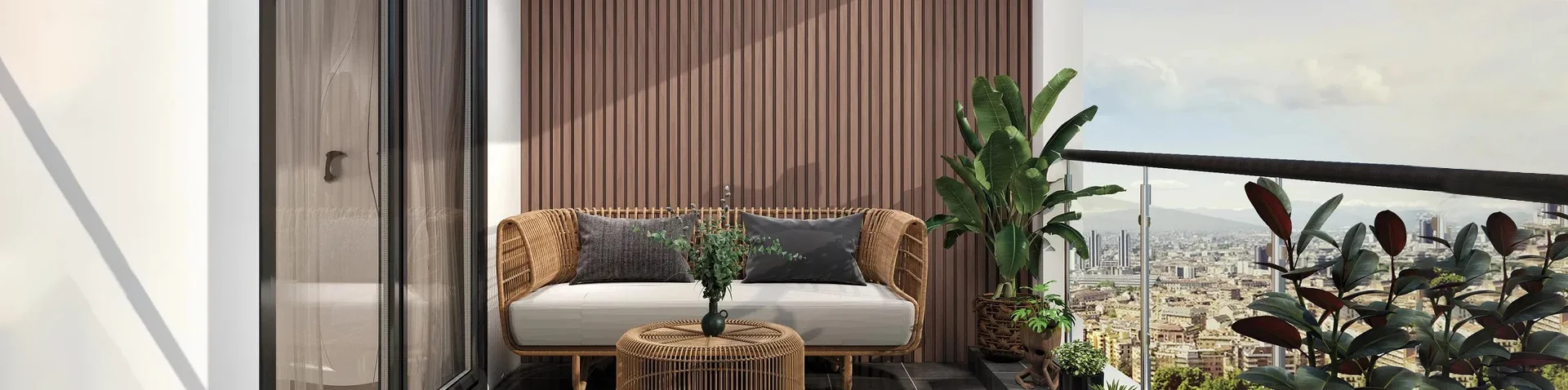
When designing high‑traffic hotel interiors, choosing the right wall material can mean the difference between a space that feels tired after six months and one that looks immaculate for years. Our Hotel Decoration WPC Indoor Wall Panel brings together the warmth of real wood and the resilience of modern polymers. The WPC Wall Cladding for Hotel Interior Design is engineered to handle the constant wear of luggage trolleys, room service carts, and hundreds of guests passing through lobbies and corridors every day. While conventional finishes can chip, stain, or warp under these conditions, the WPC Wall Panel for Hotel Interior Decoration retains its crisp, clean lines with minimal upkeep. In wet zones such as bathrooms, indoor pool areas, and spa retreats, specifiers rely on the Waterproof WPC Indoor Wall Panel for Hotel to stop moisture penetration at the substrate level. These panels are available in a wide spectrum of wood grains, stone effects, and solid neutrals, allowing interior teams to create signature feature walls, headboards, and linear accents that conform to strict fire and acoustic regulations. Every plank is produced on a tight tolerance schedule, so installation is fast and predictable across multi‑room projects, and the absence of wet trades keeps renovation downtime to a minimum.
The WPC Interior Wall Panel draws on a composite core that balances dimensional stability with a lightweight profile, making it particularly well suited to hotels where structural loading or heritage‑listed constraints apply. Its closed‑cell surface does not host mould, mildew, or bacteria, which helps housekeeping teams maintain high hygiene scores without aggressive cleaning chemicals. Sound transmission is noticeably reduced when these panels are installed over a decoupled framing system, contributing to guest comfort even when adjacent rooms are fully occupied. On the design side, a range of embossed textures and deep grain registrations replicate oak, walnut, teak, and contemporary concrete finishes so accurately that most visitors cannot distinguish them from natural materials at arm’s length. Because the colour and pattern run through the wear layer rather than sitting only on the surface, light scratches or scuffs from luggage hinges or high‑heeled shoes remain largely invisible. The material also carries strong sustainability credentials, incorporating post‑industrial recycled wood fibre and being fully recyclable at end of life, which aligns with the green building certifications many hotel chains now demand. Facility managers value the straightforward maintenance routine: a wipe‑down with a microfibre cloth and a pH‑neutral cleaner restores the original appearance in seconds, eliminating the need for periodic sanding, oiling, or repainting that solid timber or veneer require. From boutique city hotels to expansive coastal resorts, the system adapts to both direct‑fix and batten‑mount installations, and its tongue‑and‑groove interlock speeds up the programming on projects with tight opening deadlines.
| Parameter | Value | Standard |
|---|---|---|
| Thickness | 8 mm / 10 mm / 12 mm (±0.2 mm) | ISO 24346 |
| Width | 159 mm / 195 mm / 220 mm (custom widths available) | — |
| Length | 2920 mm / 3600 mm, cut‑to‑size up to 5800 mm | — |
| Density | 0.88–0.95 g/cm³ | ISO 1183‑1 |
| Surface hardness | ≥ 2H (pencil hardness); Taber abrasion loss <50 mg/500 cycles | ISO 15184 / ASTM D4060 |
| Slip resistance (embossed series) | R11–R12 (DIN 51130) | DIN 51130 |
| Coefficient of linear thermal expansion | ≤ 0.03% per 10 °C | ASTM D696 |
| Weighted sound reduction index (Rw) | 18–22 dB (on 50 mm steel batten with mineral wool infill) | ISO 10140‑2 |
| Formaldehyde emission | ≤ 0.03 mg/m³ (E0 grade) | EN 717‑1 |
| Recycled content | Minimum 45% pre‑consumer recycled wood fibre | — |