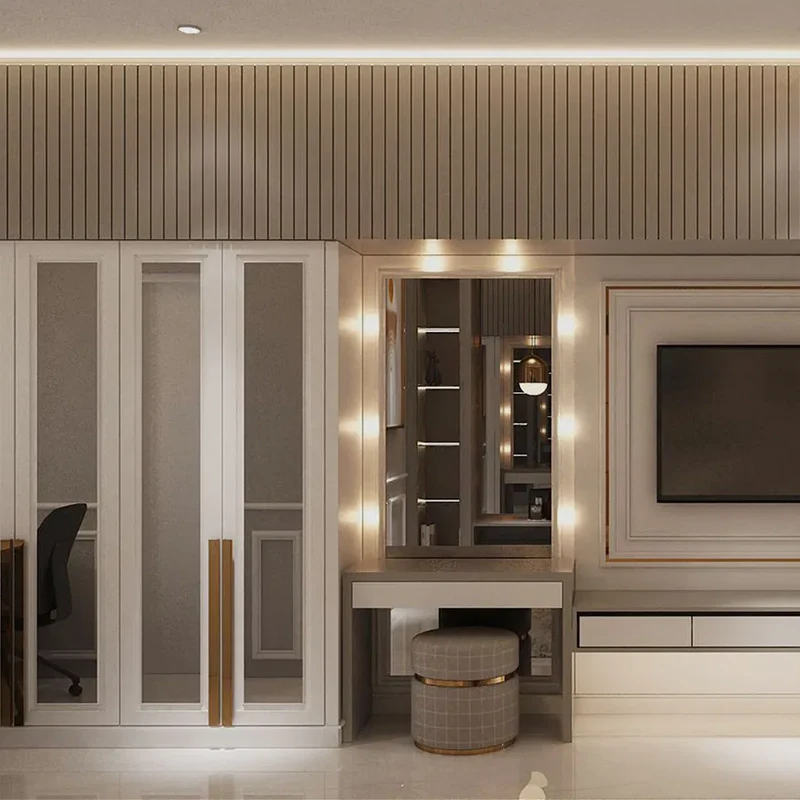
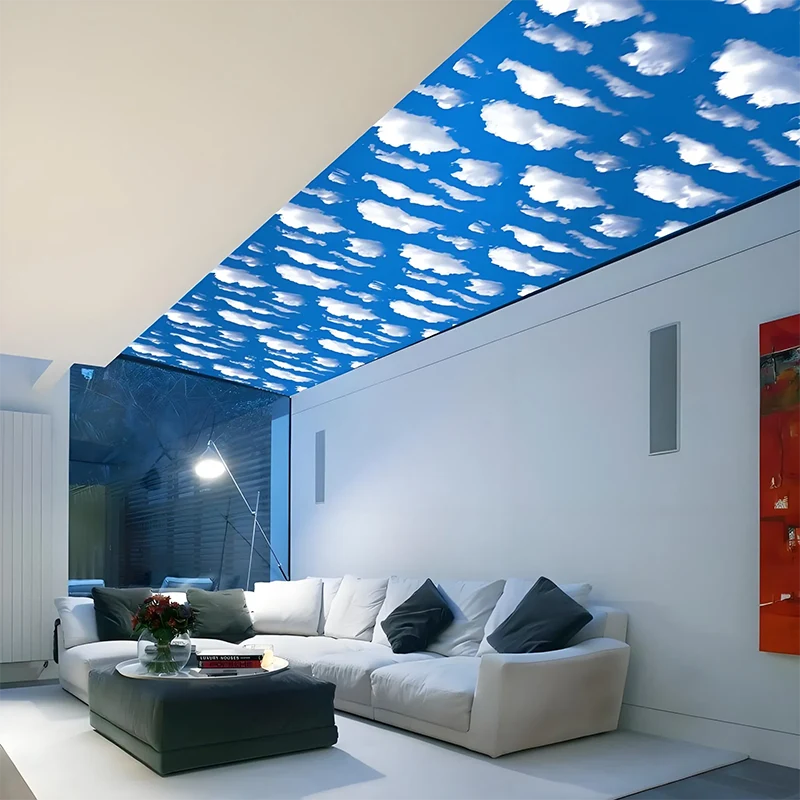
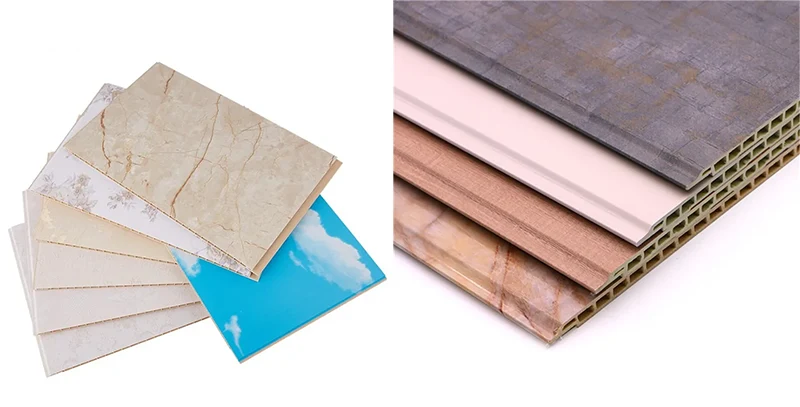
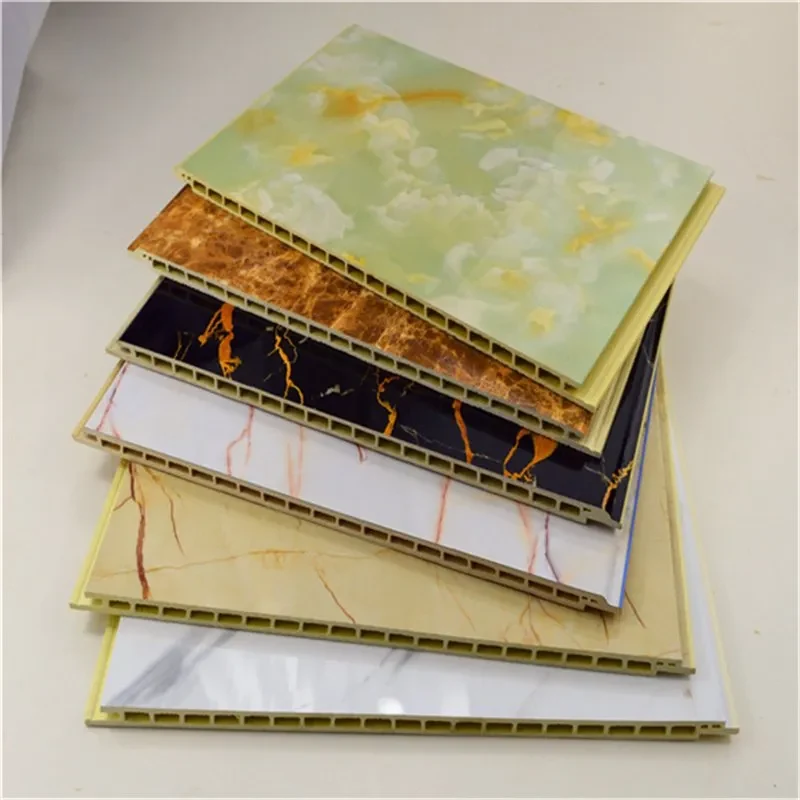
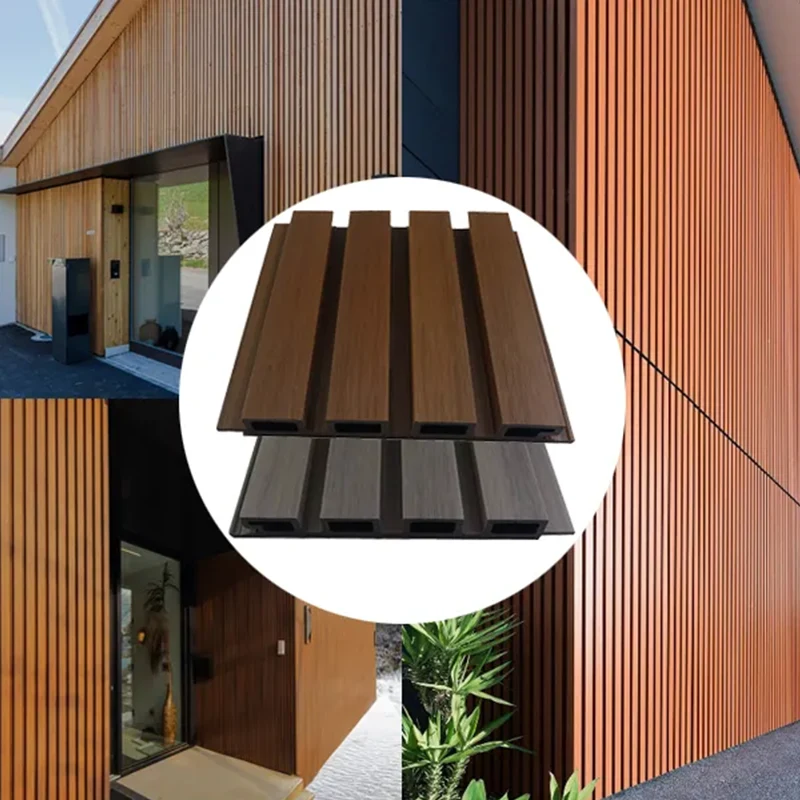
Bamboo fiber PVC wall panels are a composite building material that combines bamboo/wood fiber (typically 30%–70% content) with PVC resin through a high‑temperature extrusion process. This blend gives you the natural look and feel of wood while leveraging PVC's inherent waterproof properties – making it one of the more popular wall‑covering solutions in interior renovation today.
Core composition:
Bamboo/wood fiber – provides natural grain texture and structural rigidity
PVC resin – delivers waterproof performance and long‑term durability
Eco‑additives – enhance properties like flame retardancy
Material Properties at a Glance
Property
Bamboo Fiber PVC Panel Performance
Water resistance
Good (PVC base is the key)
Surface texture
Authentic wood grain, natural feel
Eco‑friendliness
Renewable bamboo source, lower carbon footprint
Durability
Expected service life: 15–25 years
Flame retardancy
Can be enhanced with specific formulations
Best suited for
Dry or humidity‑controlled indoor spaces
Where to Use – and Where Not To
Before choosing bamboo fiber PVC panels, assess your intended environment carefully.
Suitable applications:
Living rooms, bedrooms, studies, and other dry interior areas
Projects that prioritise eco‑friendliness and natural aesthetics
The area is a bathroom shower zone, kitchen sink surround, or other persistently high‑humidity space
Your budget is tight for large‑scale commercial projects
You need the absolute fastest installation possible
Key principle: Bamboo fiber PVC panels offer good water resistance, but the bamboo content is inherently hygroscopic. In prolonged high‑humidity environments, there is a genuine risk of expansion and warping.
Installation Guide
Pre‑installation Preparation
① Material acclimatisation (critical step)
Lay the panels flat at the installation site for 24–48 hours before fitting. This allows the material to adjust to the local temperature and humidity. Skipping this step is one of the most common causes of warping and joint cracking later on.
② Wall inspection
The wall must be dry, flat, and structurally sound
Remove any loose paint, dust, grease, or old adhesives
Fix any water leakage problems before you begin – do not install over damp walls
③ Tool checklist
Tape measure, spirit level, chalk line (for layout marking)
Electric drill, screwdriver set
Fine‑tooth saw (hand saw, circular saw, or jigsaw)
Best for flat, even walls – faster and lower cost.
Apply specialised construction adhesive evenly to the back of each panel
Press the panel firmly onto the wall
Use a spirit level to check vertical alignment
Allow adhesive to fully cure per manufacturer's instructions
Option B: Furring strip / batten installation
Ideal for uneven walls or when you need to hide pipes or wiring.
Install wooden or metal furring strips on the wall (spacing typically 300–600 mm)
Fix the panels onto the battens with screws
Provides maximum stability and leaves a service cavity behind the wall
Key Installation Tips – Don't Miss These
Cutting technique:
Cut panels from the back side to avoid scratching the decorative front surface
Use a fine‑tooth blade to prevent edge chipping or fraying
Sand cut edges lightly until smooth
Expansion gaps (very often overlooked):
Leave a ~2 mm expansion gap between panels, and between panels and wall corners
Because bamboo fiber expands and contracts slightly with temperature and humidity changes, failure to leave gaps can cause buckling and warping
Sealing – the most critical step for waterproofing:
Seal all joints and edges with mould‑resistant silicone sealant
Ensure water cannot penetrate from the edges to the back of the panels
Poor sealing leads to trapped moisture, mould growth behind panels, and rot in wooden battens
Fixing screws (for batten method):
Screw spacing should follow the manufacturer's specification – typically 200–400 mm
Do not overtighten – panels need a tiny amount of room for natural movement. Over‑tightening can crack or deform the panel surface
Daily Maintenance & Cleaning
Routine cleaning
Weekly: Dust with a soft microfiber cloth
Monthly: Wipe gently with a damp cloth, then immediately dry with a clean, dry cloth
Cleaning agent: Mild soapy water is sufficient. Avoid strong acids, strong alkalis, or abrasive cleaners – they will damage the protective surface layer
Stain removal
Liquid spills: Blot immediately with a dry absorbent cloth – do not wipe, as that spreads the stain
Stubborn marks: Sprinkle a little salt onto the stain, then gently rub with a damp cloth
Scratches: Use a wax repair stick (colour‑matched to the panel) to fill and blend the scratch
Long‑term care
Keep the indoor space well‑ventilated and reasonably dry
During prolonged wet seasons (e.g., monsoon or humid summer months), consider using a dehumidifier
Depending on the specific product type, you may apply a specialised wood wax oil or clear varnish every 1–2 years to restore the surface sheen – check your product manual
Most Common Installation Mistakes – Avoid These
Mistake
Consequence
Installing on an uneven wall
The panel "follows" the wall contours, resulting in a wavy, distorted surface
No expansion gaps left
Panels expand with moisture, causing buckling and joint separation
Poor edge sealing
Water gets behind the panel → mould growth → rotting of underlying battens
Using the wrong cleaning chemicals
Damages the topcoat, accelerating ageing and colour fading
Skipping acclimatisation
Panels warp or shrink after installation as they adjust to room conditions
A safe solution for bathrooms or consistently wet areas
Pure PVC panels – the safer bet
Fast, large‑area installation on a tighter budget
Pure PVC panels
Bamboo fiber PVC wall panels are an excellent choice when used in the right environment – they give you the warmth of natural wood with the practical waterproofing of PVC. However, they are not a one‑size‑fits‑all product. Correct installation, proper sealing, and sensible maintenance are the three pillars of getting the most out of them.
For detailed product‑specific instructions, always refer to the official installation manual provided by your manufacturer, and when in doubt, consult a professional installer.
We use cookies to offer you a better browsing experience, analyze site traffic and personalize content. By using this site, you agree to our use of cookies.Privacy Policy