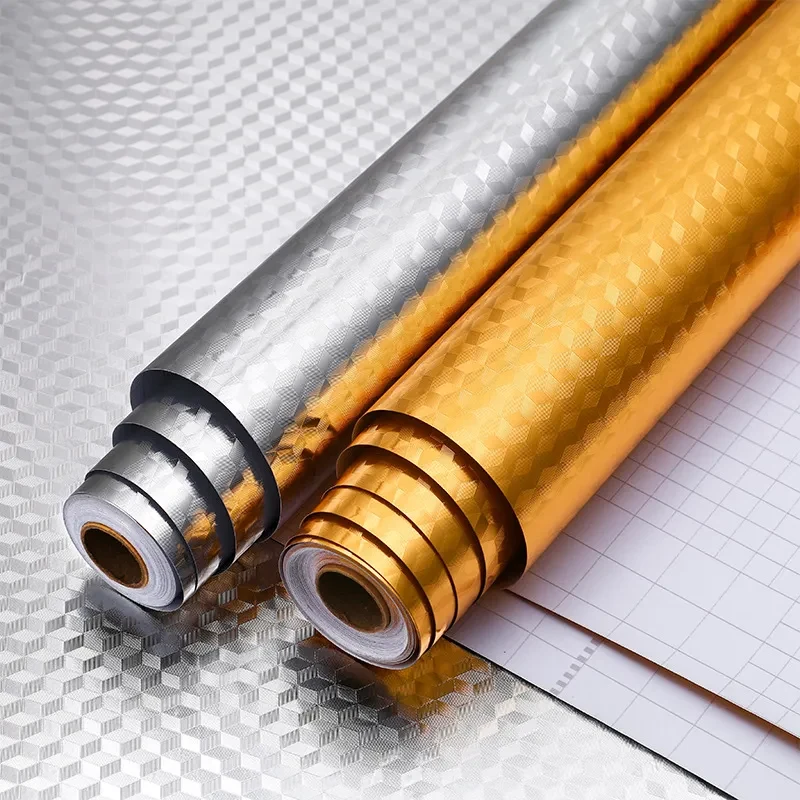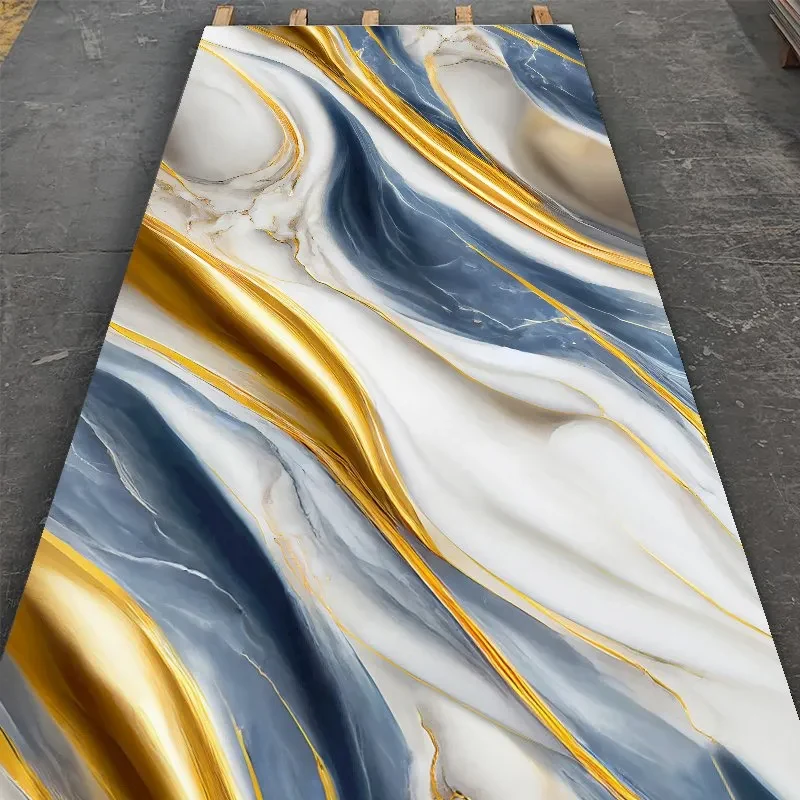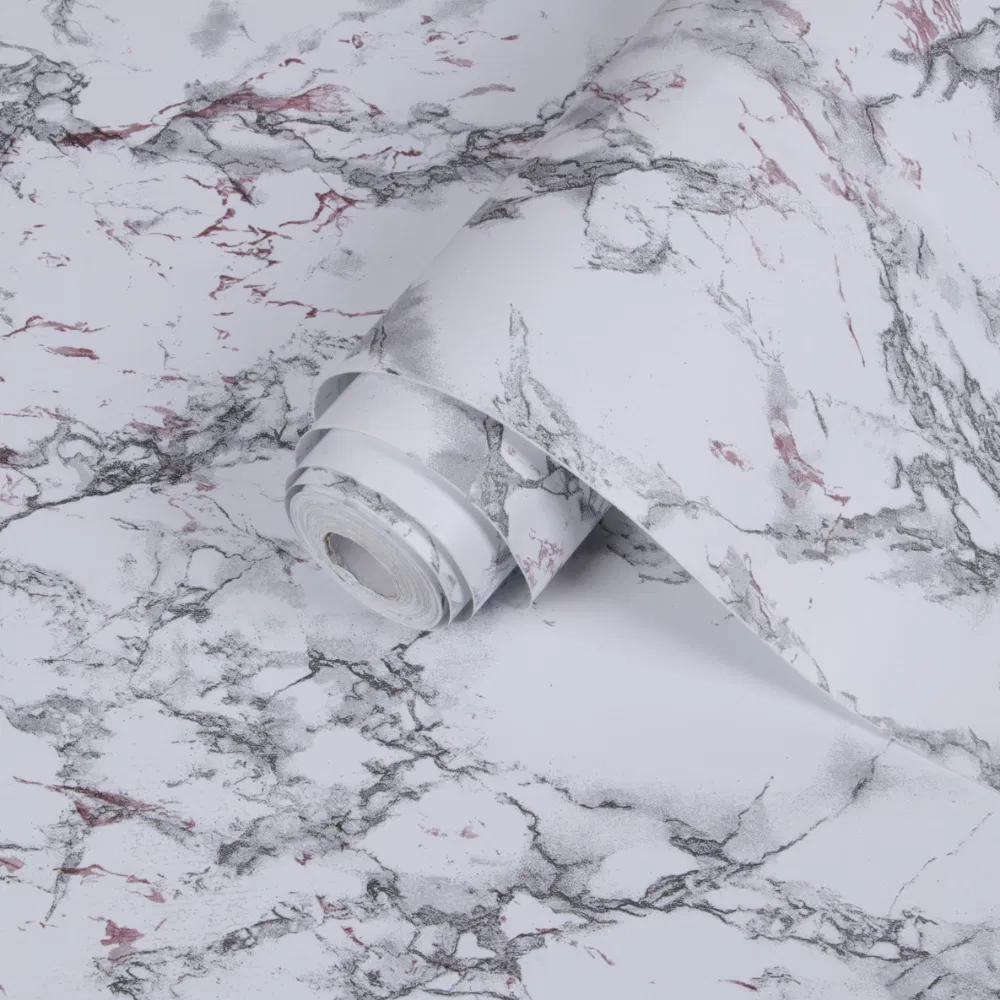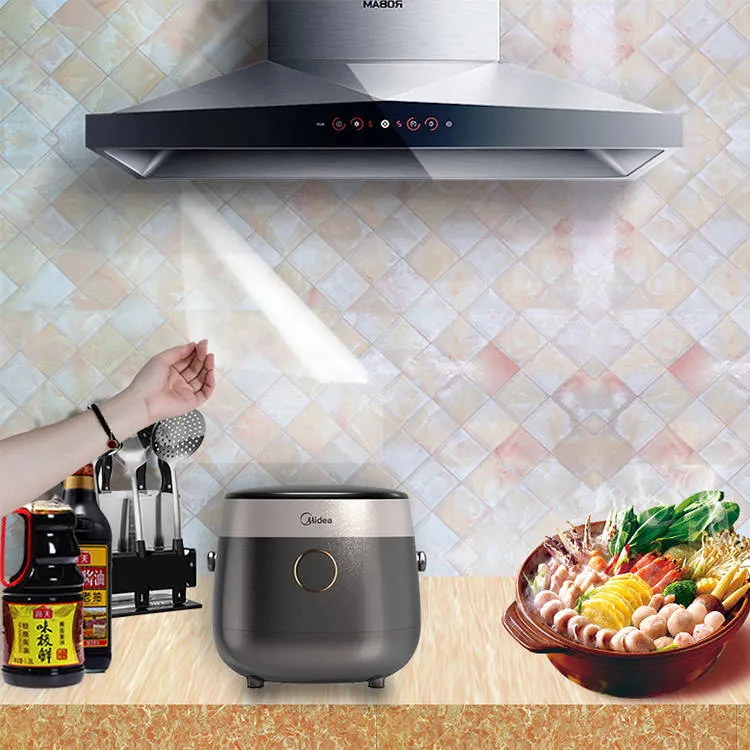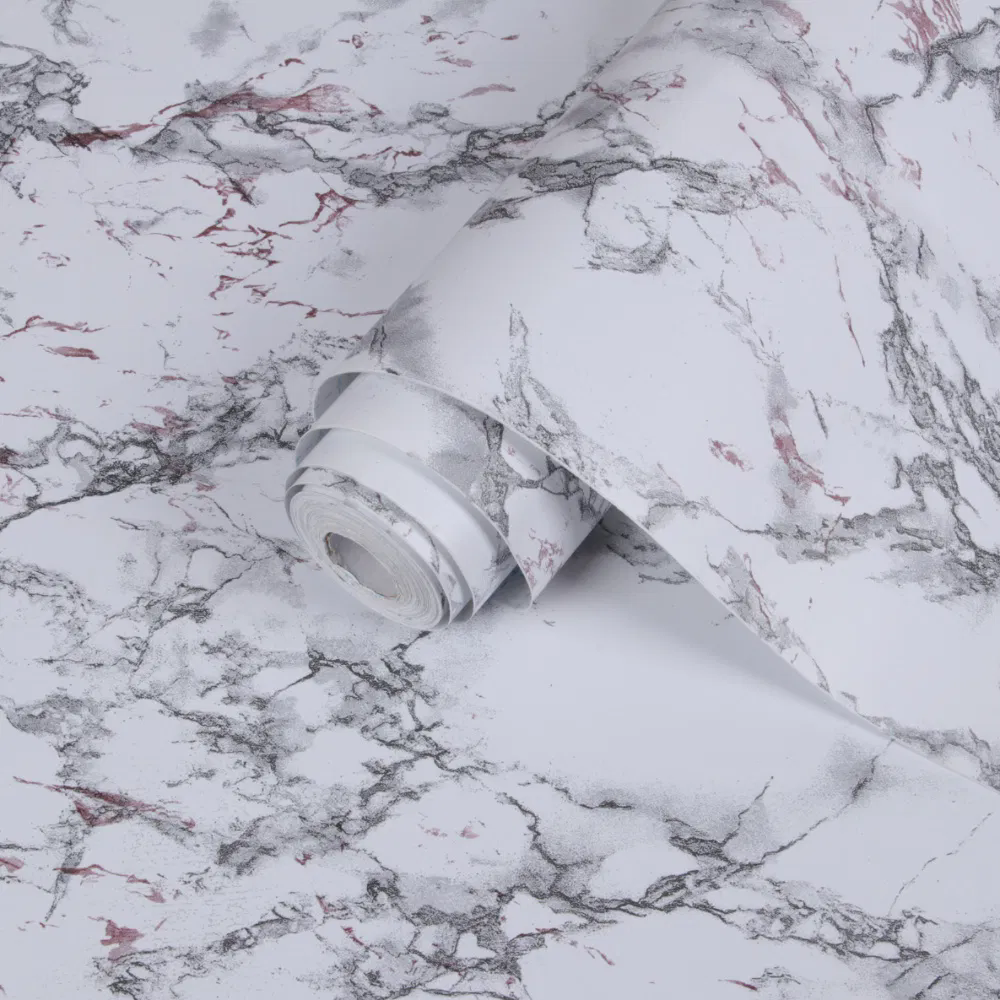

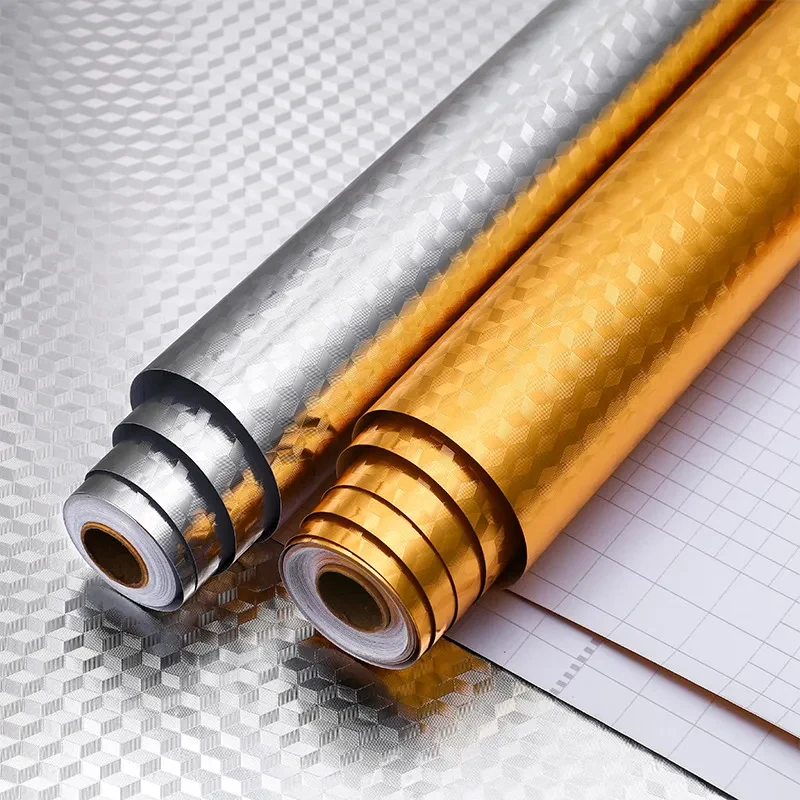
Glitter wallpaper has come a long way from the cheap, flaky stuff that shed glitter everywhere. Today, it's more like a functional wallcovering that captures light and transforms spatial perception. The principle is simple—physical glitter particles reflect natural and artificial light from multiple angles, creating visual depth and a sense of openness. This makes it especially effective for small apartments or rooms with limited natural light.
This is the most common pitfall when shopping, and it determines both price and performance. There are two fundamentally different product categories:
Printed Glitter-Effect Wallpaper: The glitter pattern is printed with ink on the paper surface. The surface is flat—no physical particles. Under light, it looks static, lacking variation and depth. Cheap, but missing the true "glitter soul."
Real Glitter Wallpaper: Three-dimensional glitter particles are embedded into the surface layer, typically on a fabric backing. It has a subtle texture you can feel. When light hits it, particles reflect from different directions, creating a shifting, flowing luster throughout the day. This dynamic effect is impossible to replicate with printing.
Identification Tip: Touch it or use a magnifying glass. Real texture = real glitter; completely smooth = just printed ink.
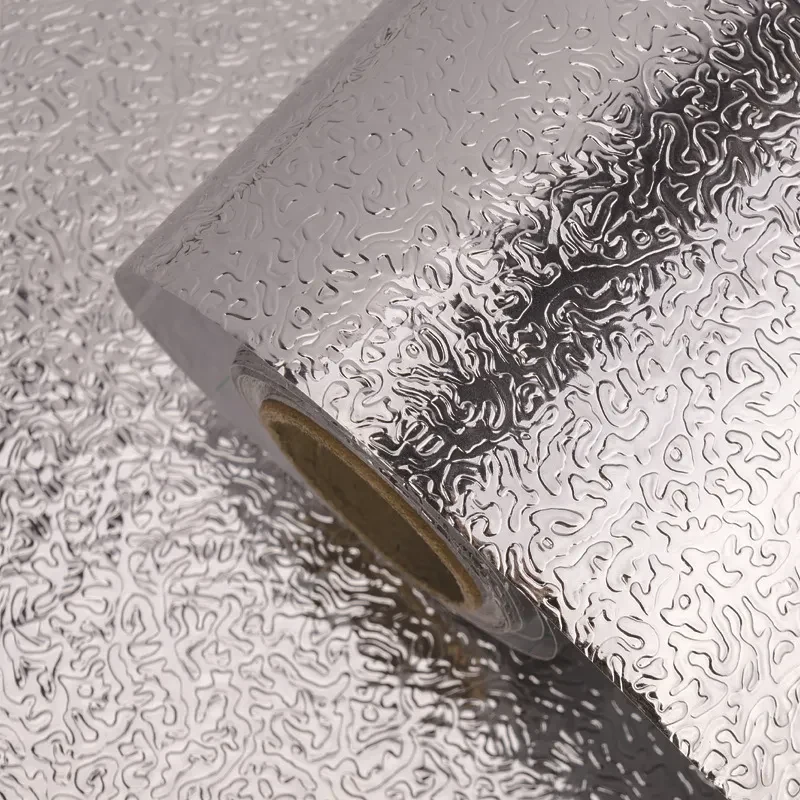
Choosing glitter wallpaper isn't just about color—material specifications determine durability and maintenance requirements.
| Material Type | Key Characteristics | Best Applications | Reference Specs |
|---|---|---|---|
| Peel-and-Stick Vinyl | Self-adhesive, easy install, removable without wall damage. Waterproof and wipeable. | Rentals, DIY projects, kids' rooms, spaces with frequent style changes. | Roll size: 45cm W x 5m L (~2.25㎡ coverage); Random match. |
| Commercial-Grade Vinyl | Type II commercial rating, extremely durable. Class A fire-rated and GREENGUARD Gold certified for low VOCs. Cleanable with diluted bleach. | Bathrooms, kitchens, hallways (high-moisture or high-traffic areas); commercial spaces; homes with allergy sufferers. | Professional installation required; double-cut method for seamless seams. |
| Non-Woven Backing | Breathable, mold- and mildew-resistant. Adhesive applied to wall, not paper—minimal expansion/contraction. Dry-strippable for easier future removal. | Bedrooms, living rooms (dry areas where breathability and low-VOC are priorities). | Good lightfastness (resists fading); Random match for easy installation; stain-resistant. |
| Pre-Pasted Paper | Pre-coated dry adhesive on back—activates with water before hanging. Paper substrate, budget-friendly. | Short-term décor, tight budgets. | 100% paper; Semi-matte finish; Wet-removable. |
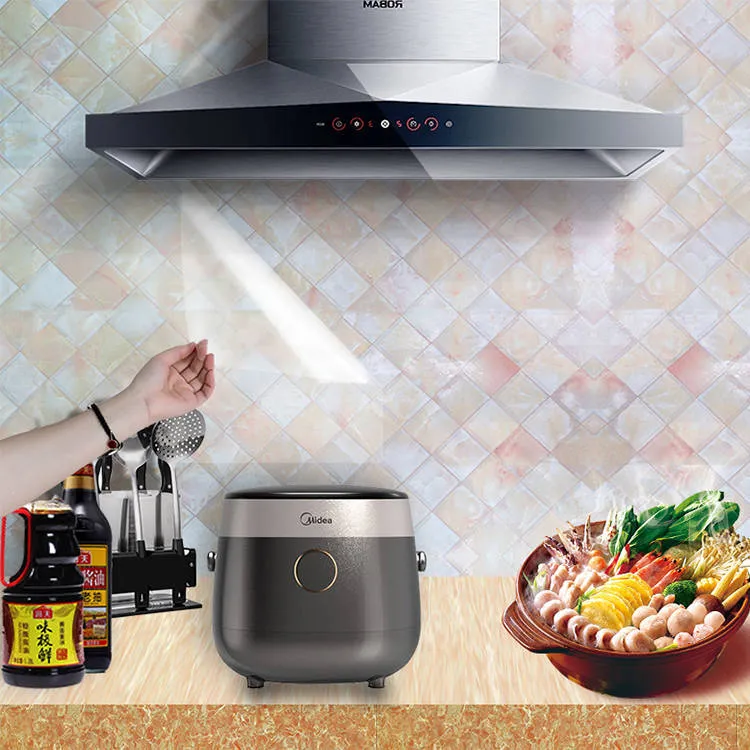
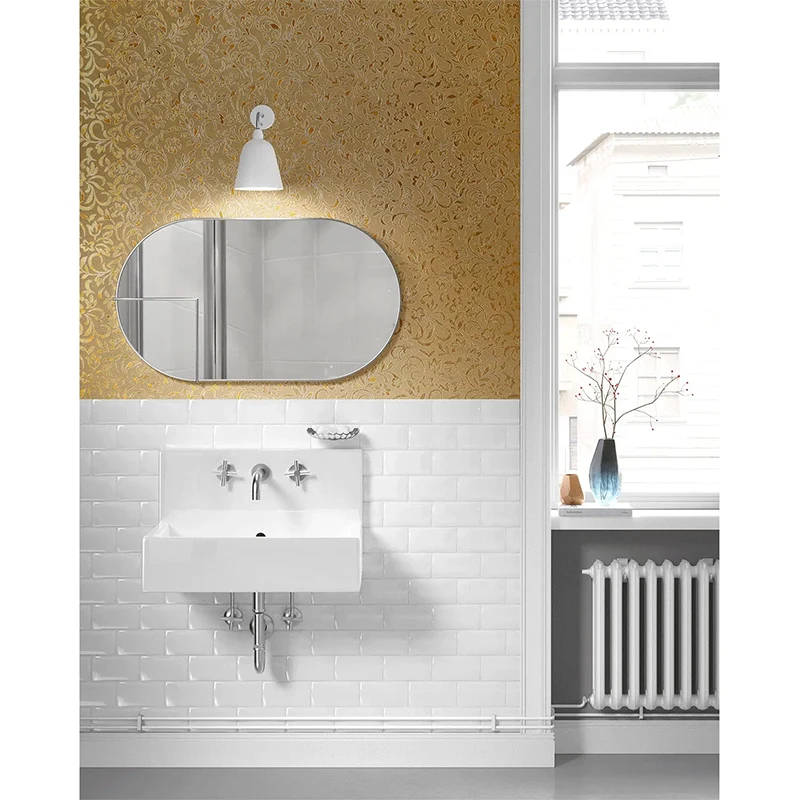
Designers often use glitter wallpaper to improve spatial perception. Two parameters matter most: light reflectance and color lightness.
Light Reflectance: In small or ground-floor rooms, glitter particles scatter available light throughout the space, reducing dark corners and making the room feel visually larger.The Golden Rule: For rooms under 15㎡ (160 sq ft), limit glitter wallpaper to one accent wall only. Place it on the wall opposite the window or directly in the path of light so the glitter effect actually works.
Keep these practical specs in mind to avoid buying mistakes or future maintenance headaches:
Coverage per Roll: Standard European roll = 10.05m L x 53cm W (approx. 5.3㎡ / 57 sq ft). Always buy 10–15% extra for pattern matching and waste.
Don't assume peel-and-stick means foolproof. Ignore these details, and bubbles and peeling edges will drive you crazy:
Seam Overlap: Many products require approximately 0.5 inches (1.27 cm) of overlap to ensure pattern continuity. Visible overlap lines will appear; you'll need to use the double-cut method—cutting through both layers with a sharp knife and removing the bottom strip—to achieve seamless joints.
Bubble Removal: Use a squeegee or credit card to smooth from the center outward, pushing air toward the edges. If wrinkles form, gently peel back and reposition (peel-and-stick only).
Final Takeaway: Choosing glitter wallpaper isn't really about choosing a color—it's about choosing the right material specs and installation method. First, decide whether you want real glitter particles or just a printed imitation. Then, match the material to your room's function and conditions. Finally, follow installation specs strictly—that's how you ensure your wall will keep catching the light beautifully for years to come.