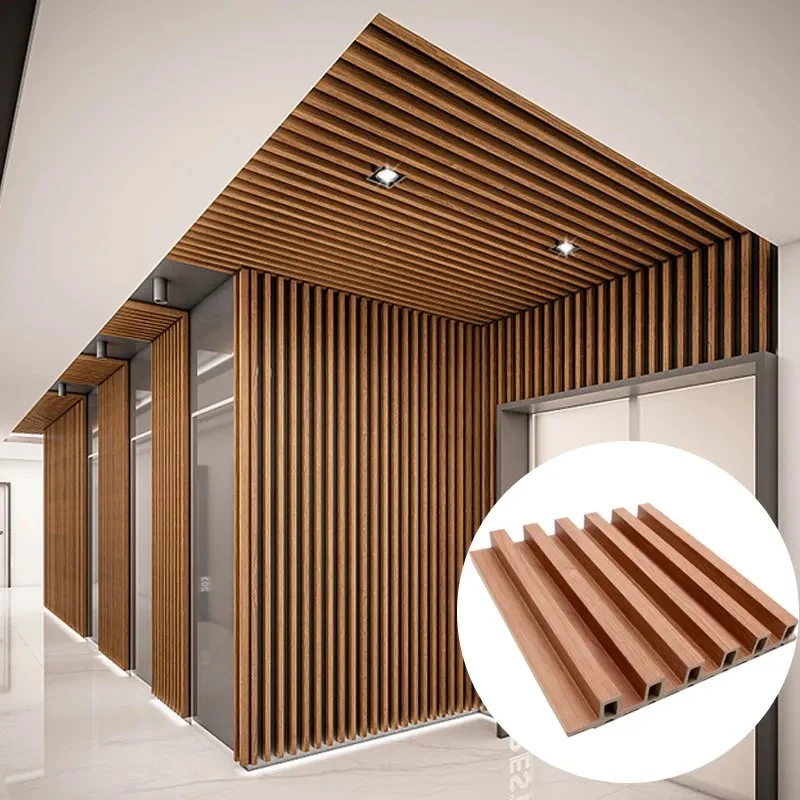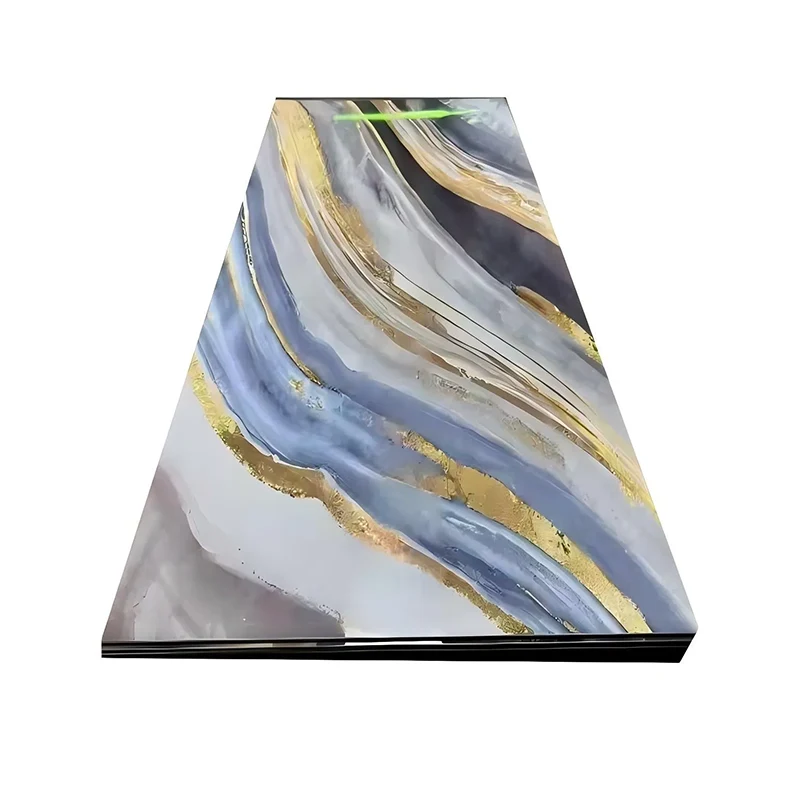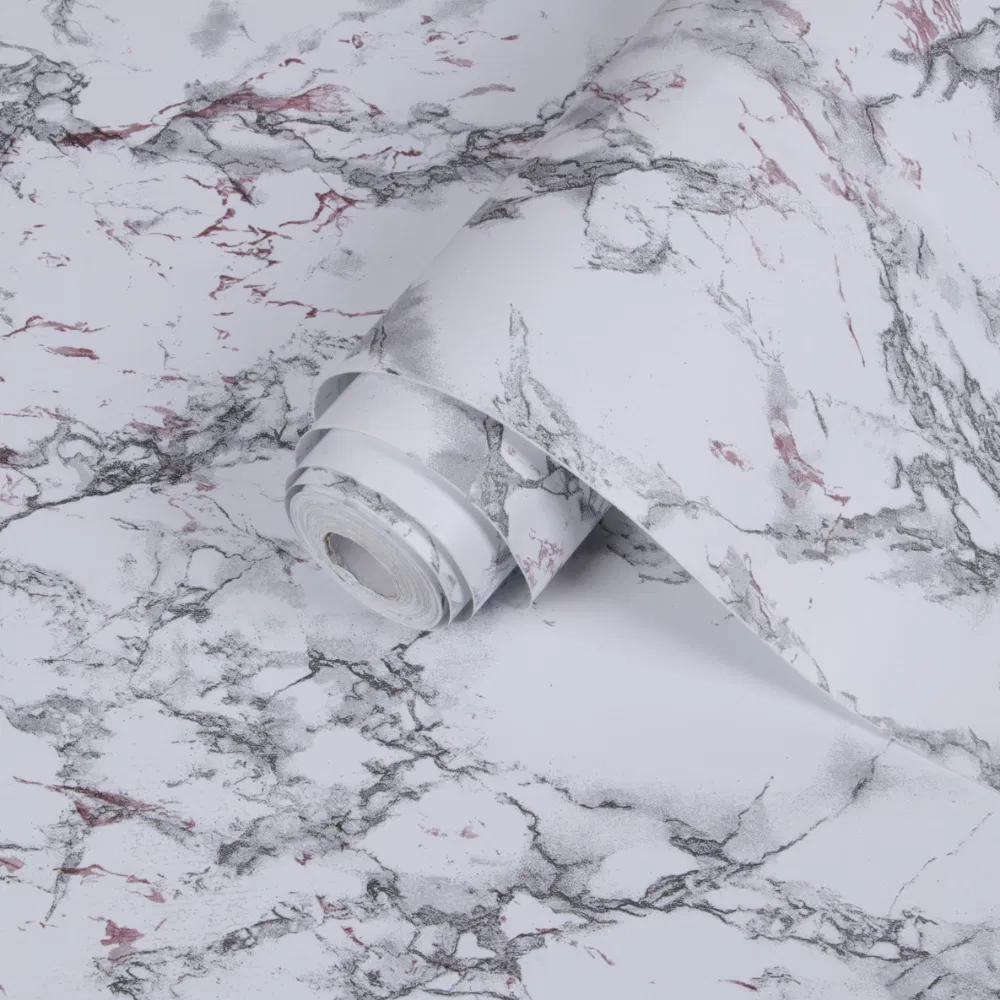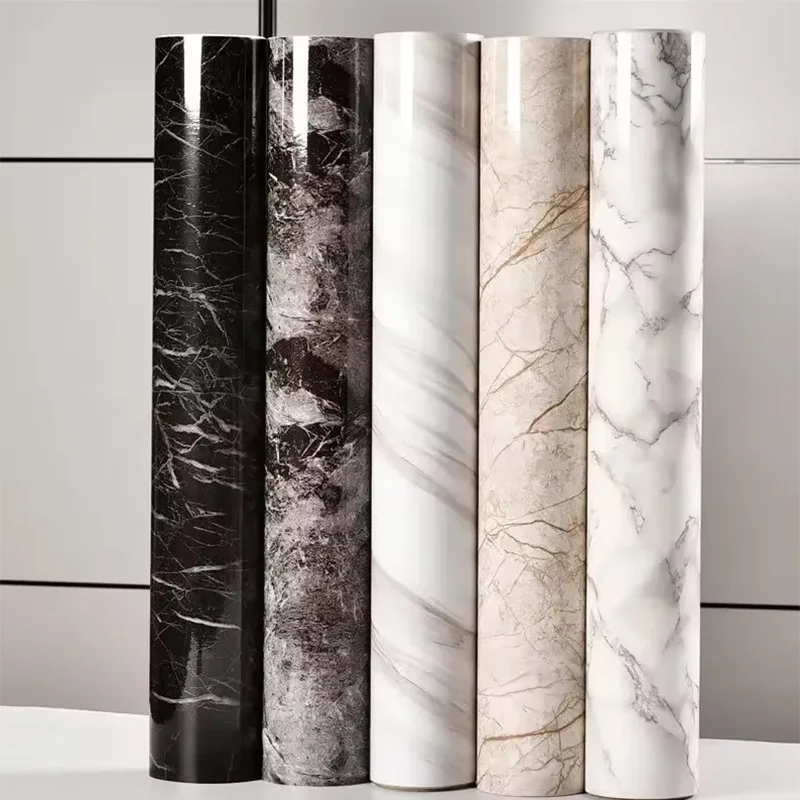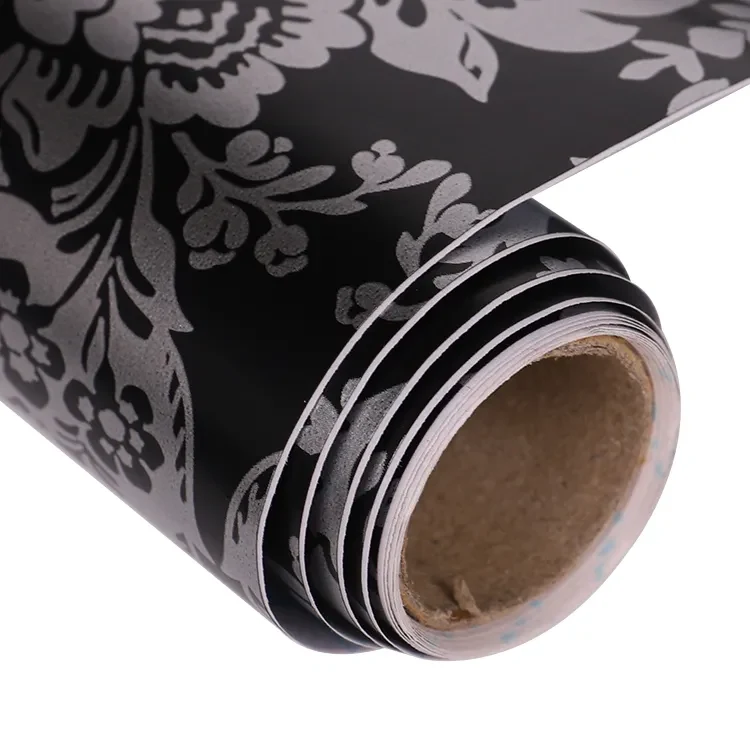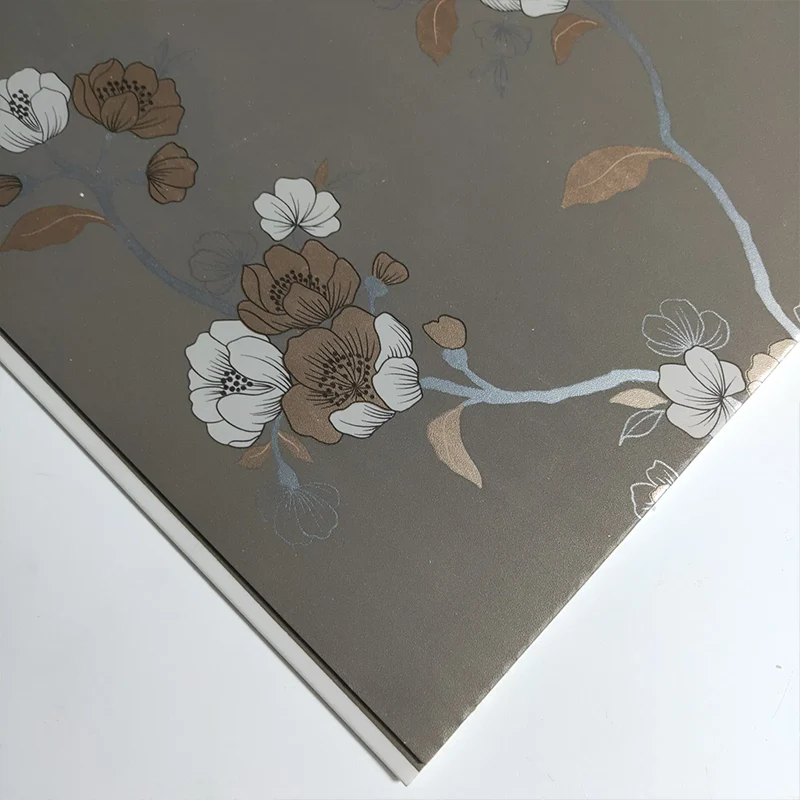

UV Sheet Panel has become a practical solution for architects, builders, and project owners who require long-lasting surface materials with stable appearance and minimal maintenance. This article explains how UV Sheet Panel works, what problems it addresses, how to select the right specifications, and where it performs best across commercial, industrial, and residential environments. Clear structure, practical tables, and direct answers to common questions help decision-makers evaluate suitability with confidence.

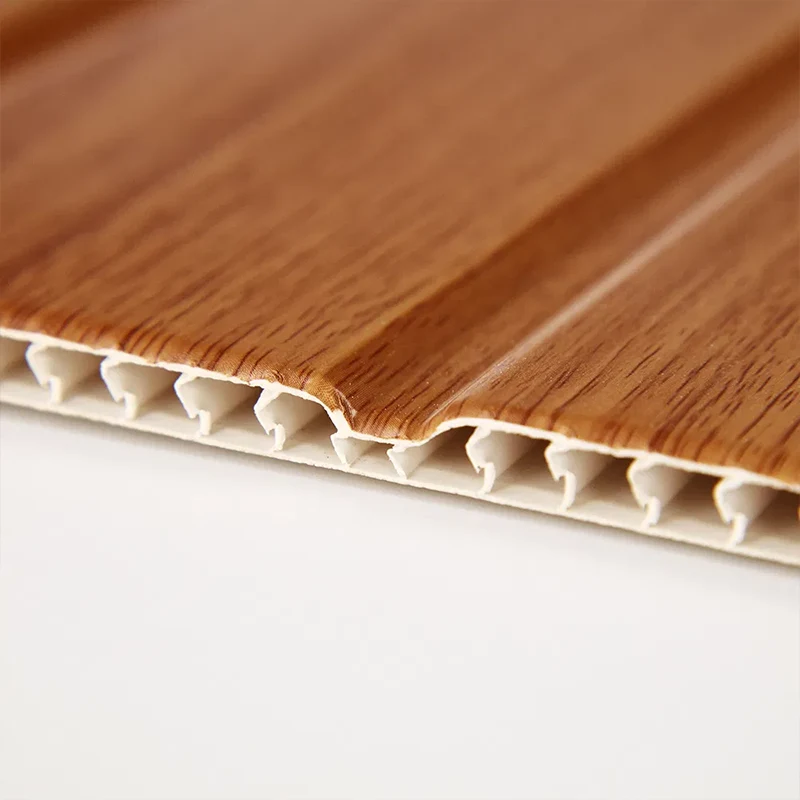
UV Sheet Panel is a rigid decorative panel produced with a UV-cured surface layer applied to a stable substrate such as PVC or composite board. The ultraviolet curing process forms a dense, smooth coating that enhances surface hardness, chemical resistance, and color stability. As a result, the panel maintains visual consistency even in environments exposed to light, moisture, or frequent cleaning.
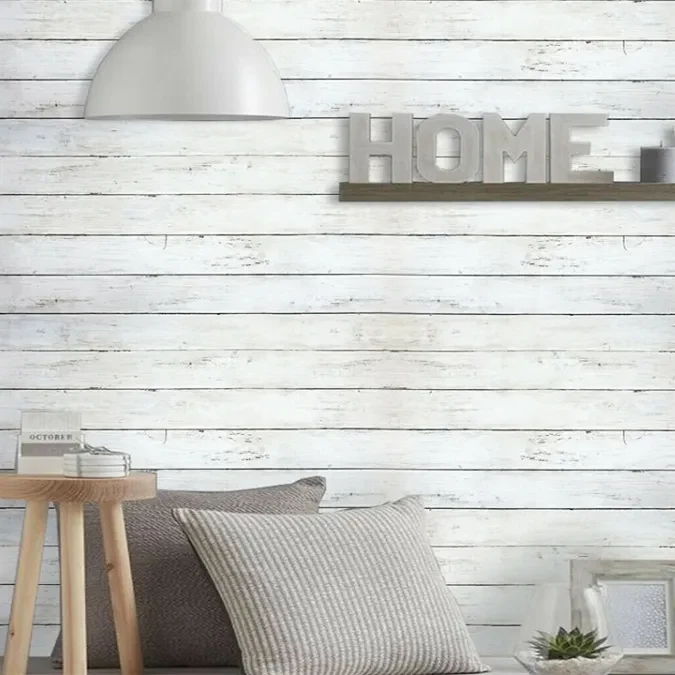
Due to its balance of aesthetics and functional performance, UV Sheet Panel is widely used in wall cladding, interior decoration, cabinetry, commercial partitions, and industrial interiors where durability and clean appearance are essential.
Before choosing surface panels, buyers often face recurring challenges that affect long-term project value. UV Sheet Panel directly addresses many of these concerns.
The performance of UV Sheet Panel relies on ultraviolet curing technology. During production, liquid coating materials are evenly applied to the panel surface. These coatings are then exposed to controlled ultraviolet light, triggering rapid polymerization. This process transforms the liquid layer into a hardened, tightly bonded protective surface.
Unlike traditional air-dried coatings, UV curing forms a uniform and stable layer in seconds. This ensures consistent thickness, reduced defects, and predictable surface performance across large production volumes.
UV Sheet Panel typically consists of multiple functional layers, each contributing to overall performance.
This layered structure ensures that the panel remains flat, visually consistent, and resistant to environmental stress during long-term use.
When evaluated against conventional laminated or painted panels, UV Sheet Panel demonstrates several measurable advantages.
UV Sheet Panel adapts well to a wide range of environments due to its balanced mechanical and decorative properties.
Selecting the appropriate UV Sheet Panel requires aligning technical parameters with project requirements. Decision-makers should consider usage intensity, environmental exposure, and visual expectations.
| Parameter | Typical Range |
|---|---|
| Panel Thickness | 2 mm – 6 mm |
| Surface Hardness | 2H – 4H (pencil hardness) |
| Gloss Level | High gloss / semi-matte |
| Moisture Resistance | Suitable for humid indoor environments |
| Cleaning Method | Neutral detergent and soft cloth |
UV Sheet Panel is designed for efficient installation using common mechanical fixing or adhesive bonding methods. Proper surface preparation ensures long-term adhesion and flatness.
Maintenance requirements are minimal. Routine cleaning with mild solutions preserves surface appearance without damaging the UV coating. Abrasive tools and harsh chemicals should be avoided to maintain surface integrity.
Is UV Sheet Panel suitable for high-traffic areas?
Yes. The UV-cured surface provides enhanced scratch resistance, making it suitable for commercial and frequently used spaces.
Does the panel fade over time?
The UV-cured coating helps maintain color stability under normal indoor lighting conditions.
Can UV Sheet Panel be customized?
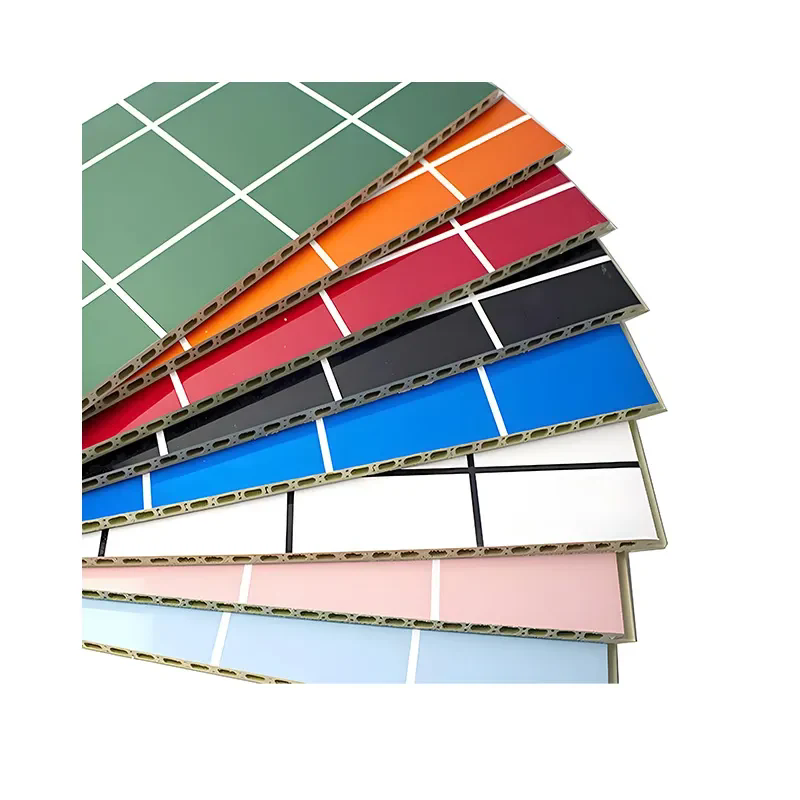
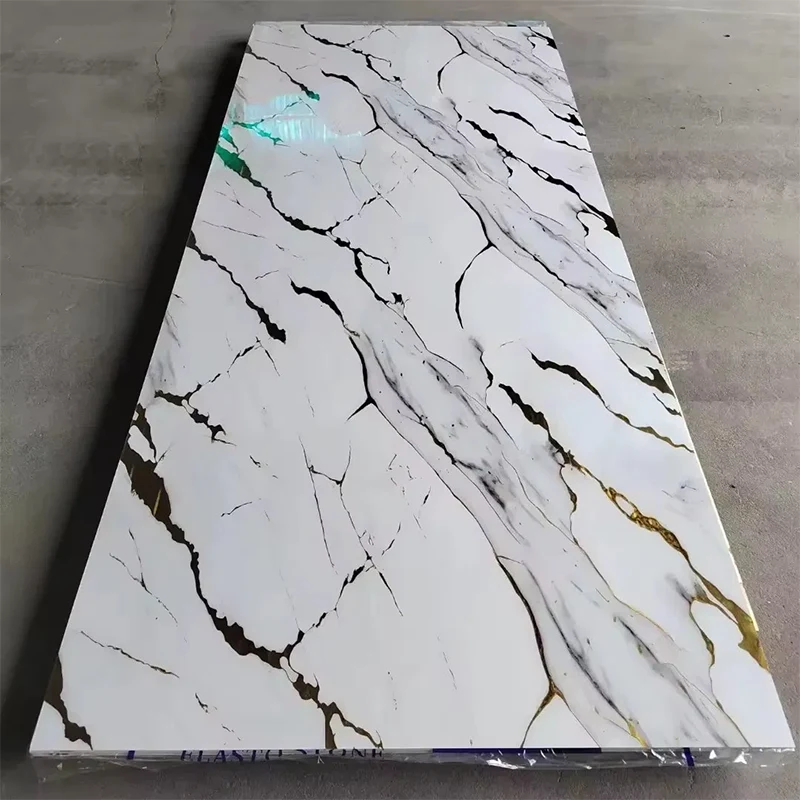
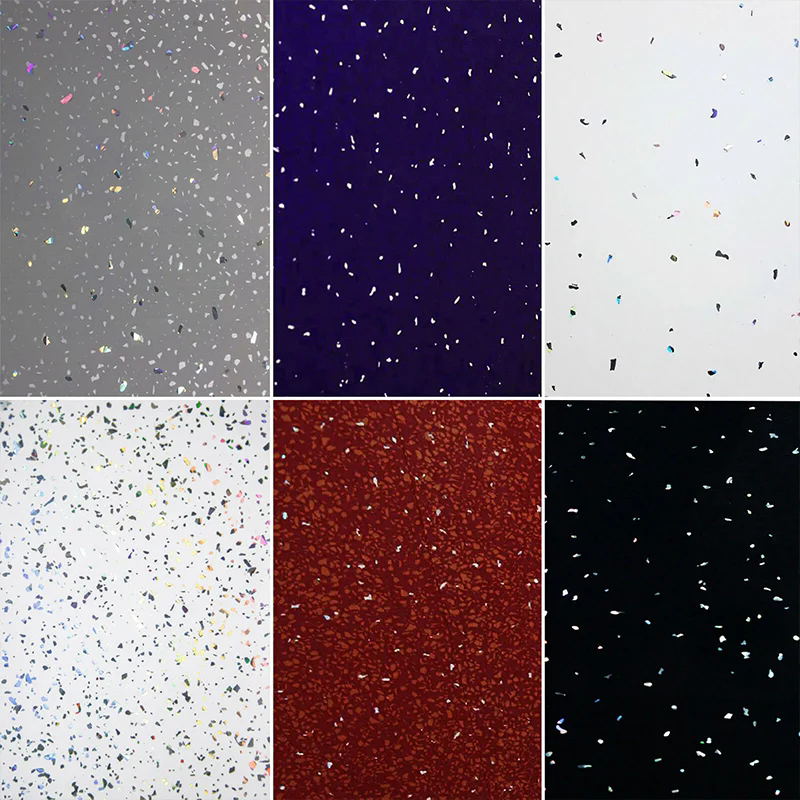
Panels can be produced in various colors, finishes, and sizes to meet specific project requirements.
UV Sheet Panel offers a reliable balance between durability, aesthetics, and ease of maintenance for modern interior applications. By understanding material structure, performance advantages, and selection criteria, project stakeholders can reduce long-term costs while maintaining consistent visual quality.
Haining Retent specializes in UV Sheet Panel solutions designed to meet diverse application needs. For tailored specifications, technical support, or bulk project cooperation, please contact us to explore how Haining Retent can support your next project with stable and efficient panel systems.