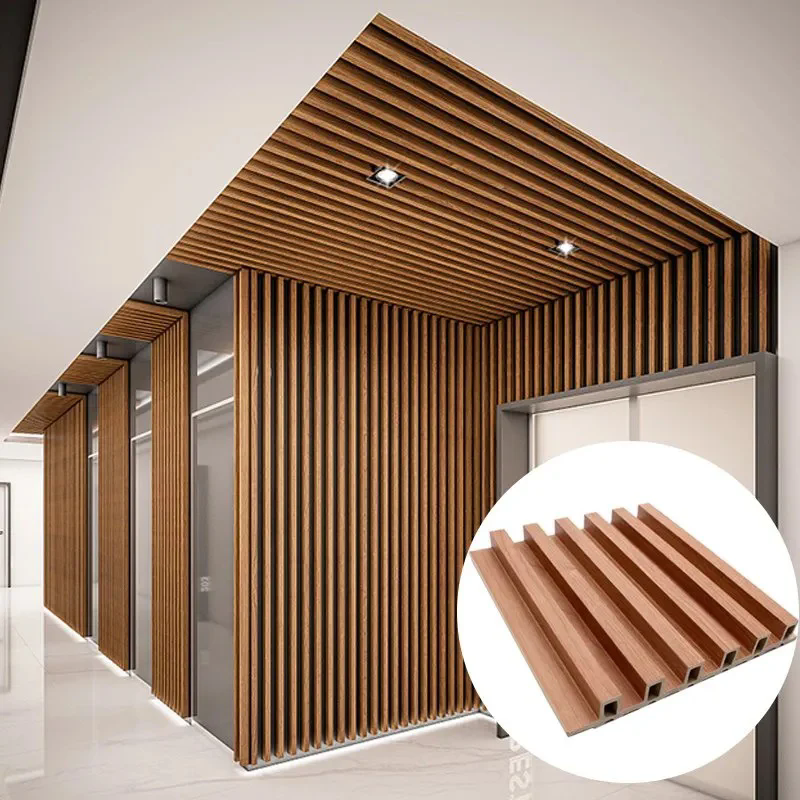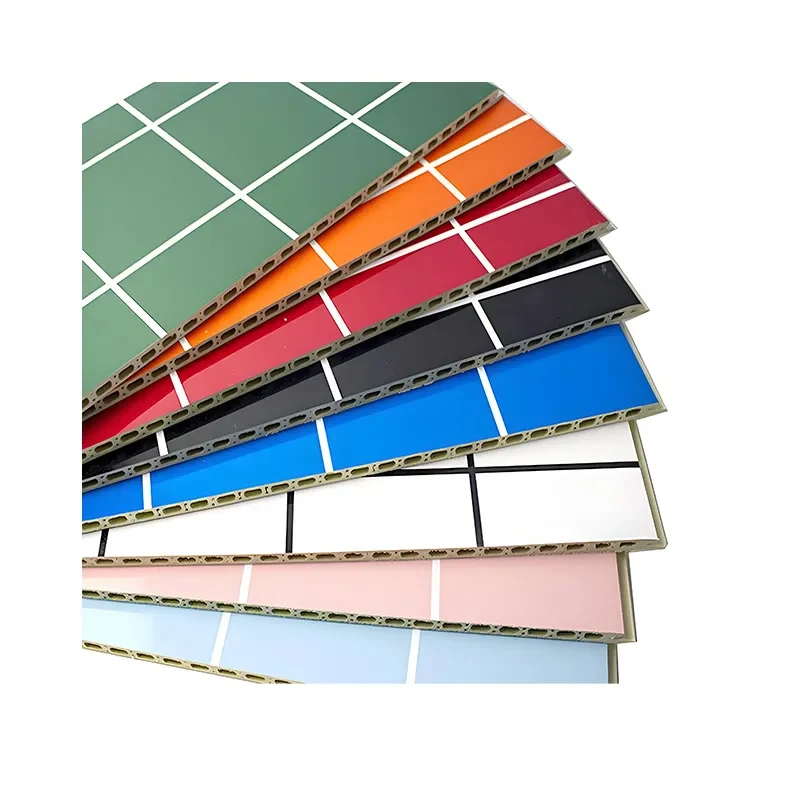

Hot stamping PVC ceiling panels have become a preferred ceiling solution in residential and commercial construction due to their attractive appearance, durability, and low maintenance requirements. By combining PVC material with advanced hot stamping technology, these panels can achieve elegant decorative patterns while maintaining structural strength and moisture resistance.
This article explains how hot stamping PVC ceiling panels work, their structural composition, advantages, specifications, installation considerations, and common application scenarios. It also addresses frequently asked questions to help buyers, contractors, and project managers make informed purchasing decisions.
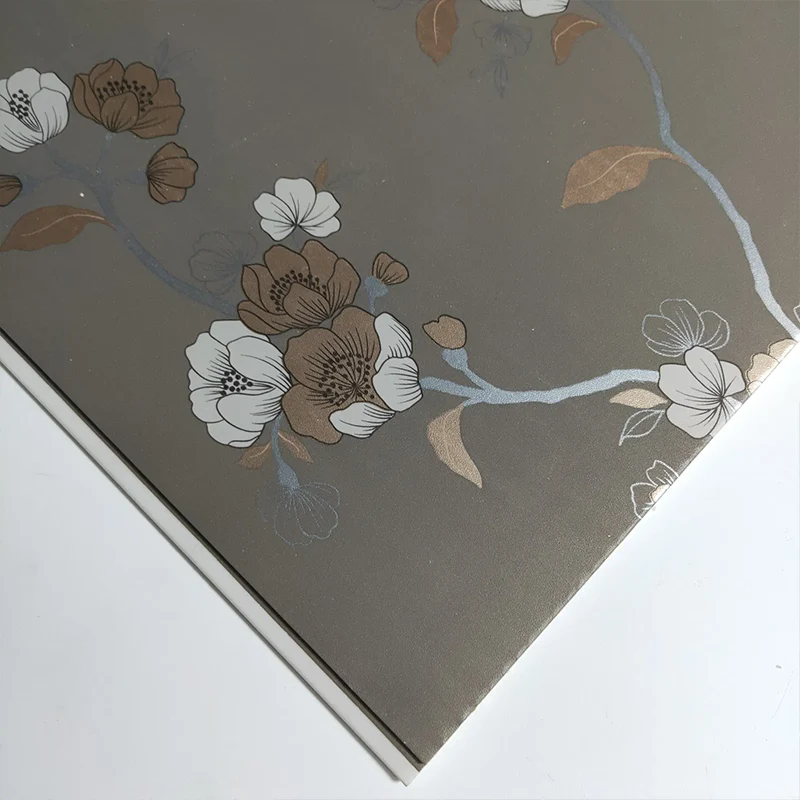
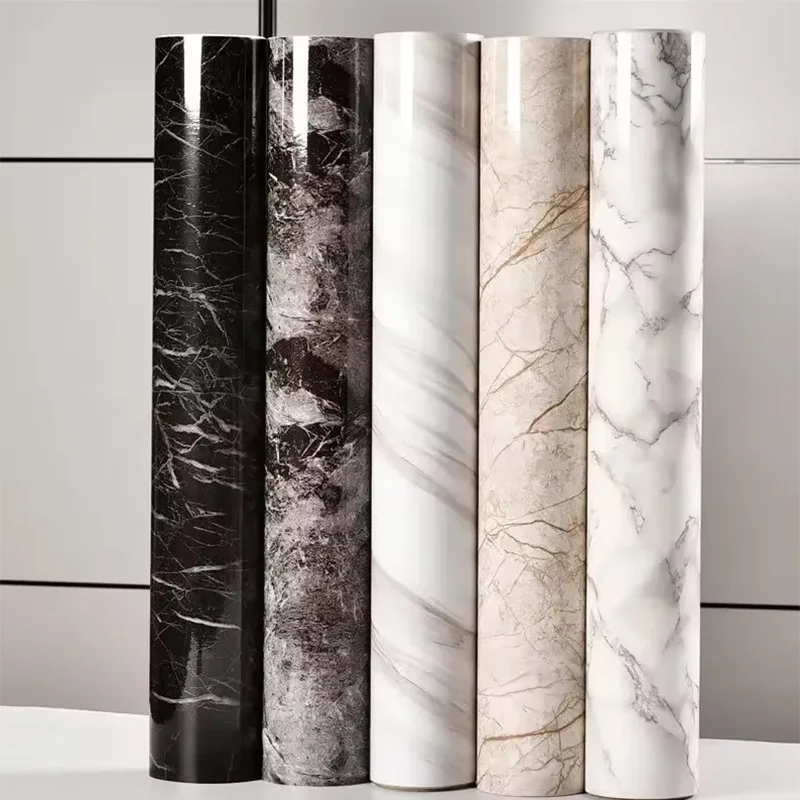
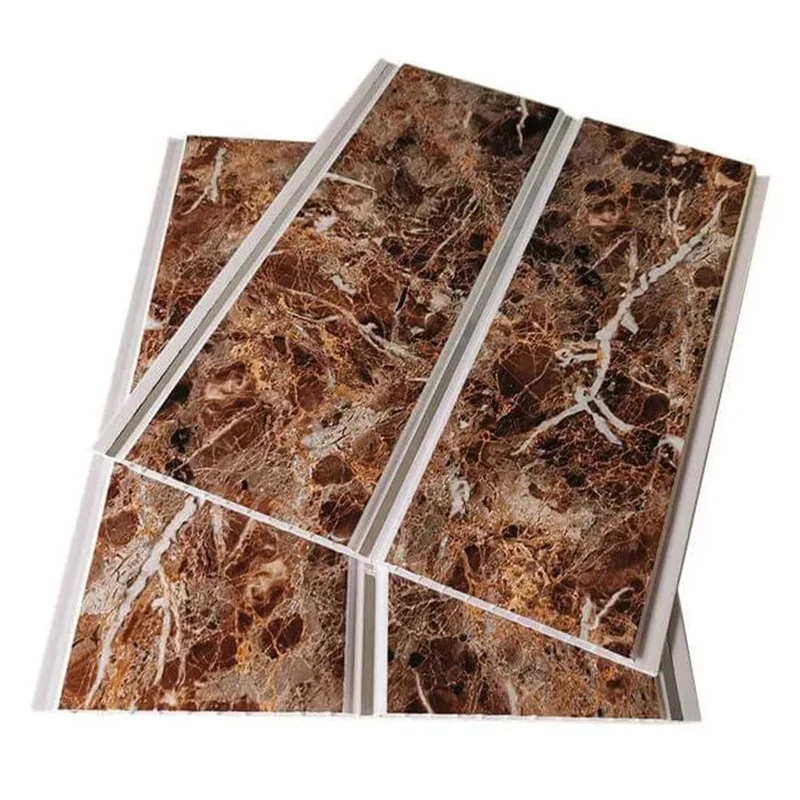
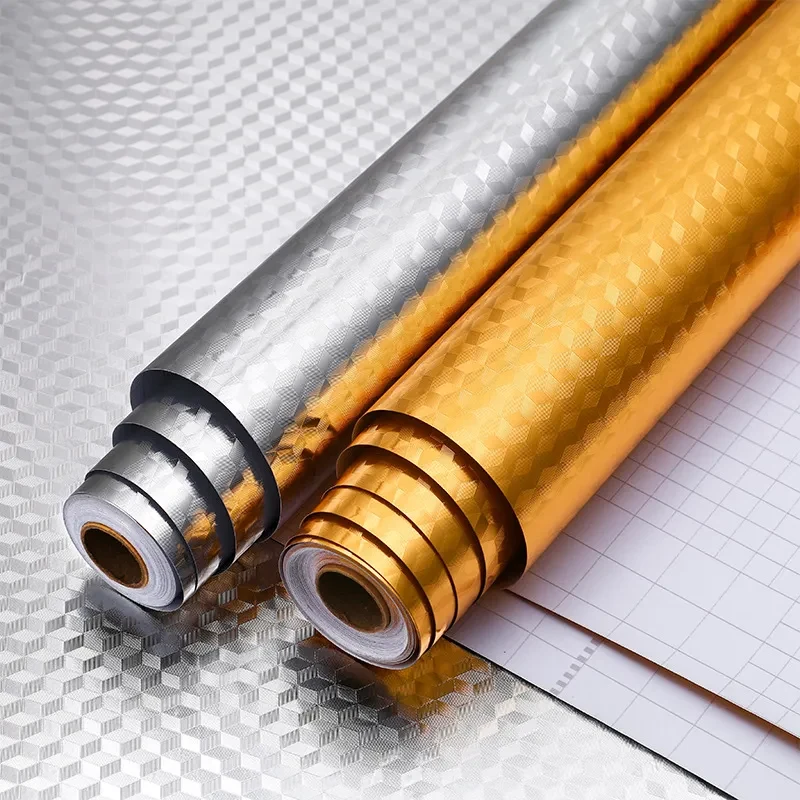
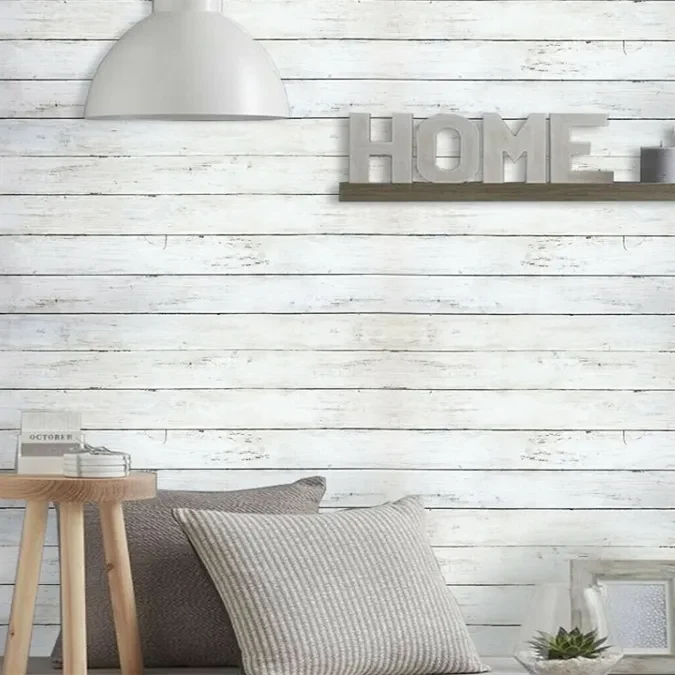
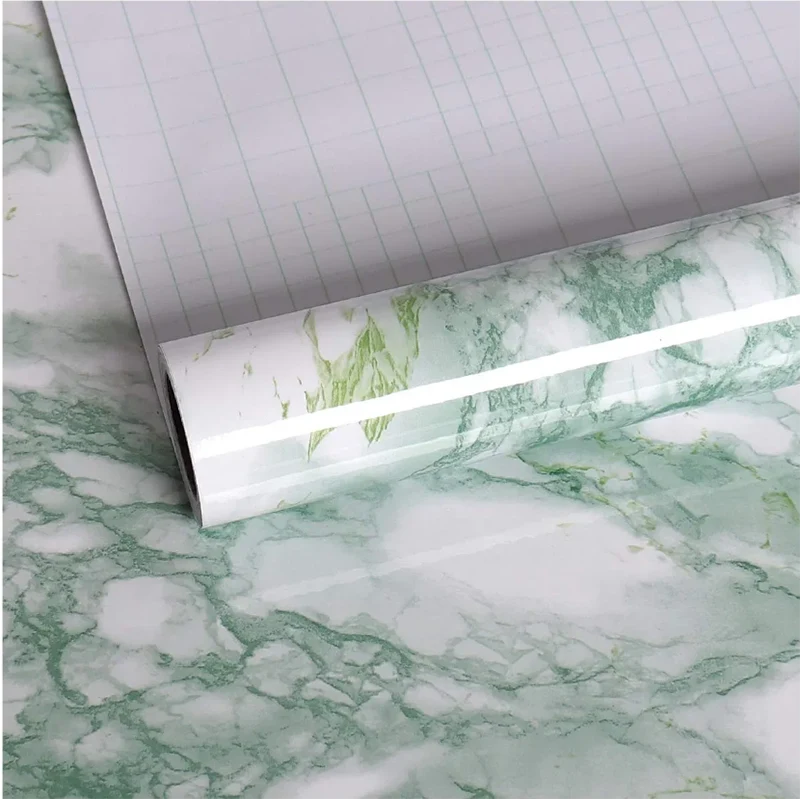
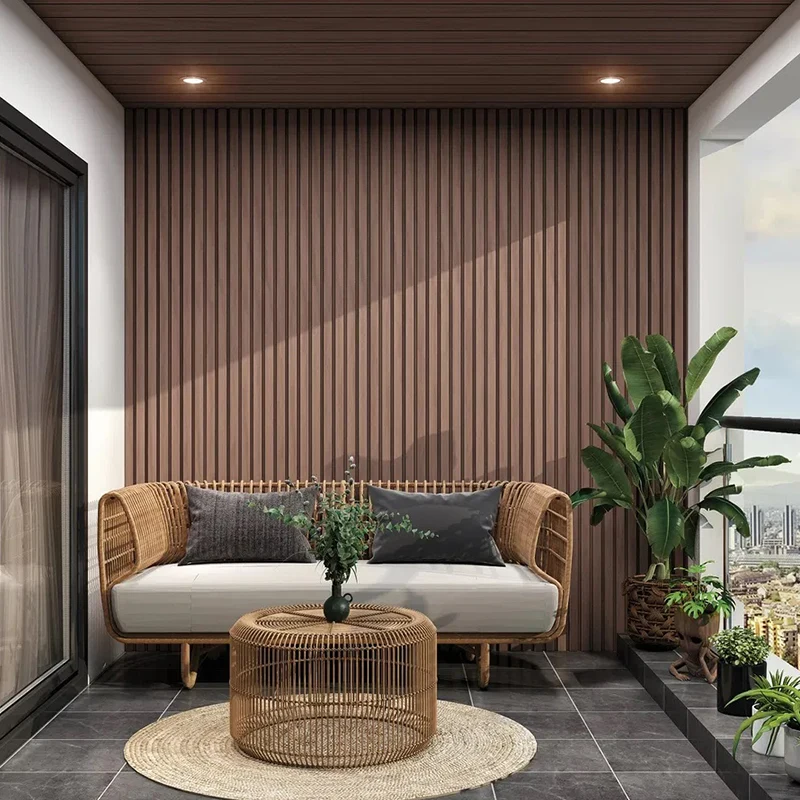
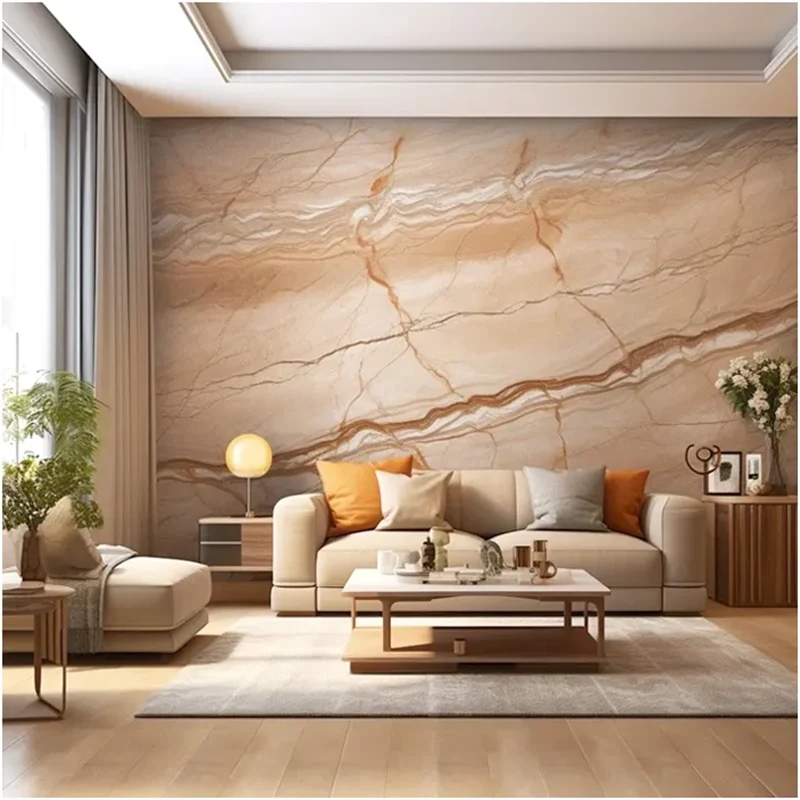
A Hot Stamping PVC Ceiling Panel is a decorative ceiling board made from polyvinyl chloride (PVC) material and enhanced with a heat-transfer stamping process. This process applies decorative films or metallic patterns onto the surface using heat and pressure, creating visually appealing textures that resemble wood grain, marble, or metallic finishes.
Compared with traditional ceiling materials such as gypsum boards or wooden panels, PVC ceiling panels offer several functional advantages. They are lightweight, water-resistant, termite-proof, and easy to install. The hot stamping layer enhances both aesthetic appeal and surface durability, making the panels suitable for various interior environments.
Manufacturers like RETENT produce hot stamping PVC ceiling panels designed to meet modern construction standards while maintaining attractive decorative styles for different architectural spaces.
Hot stamping is a decorative finishing process widely used in interior materials manufacturing. In PVC ceiling panel production, the technique involves transferring a decorative foil or film onto the panel surface using controlled heat and pressure.
The basic process includes the following steps:
This process creates a decorative layer that is resistant to fading, scratching, and peeling. As a result, hot stamping PVC ceiling panels maintain their visual quality even after long-term use.
A typical hot stamping PVC ceiling panel consists of several layers that work together to provide durability and decorative performance.
This layered structure allows the ceiling panel to combine visual appeal with mechanical strength, making it suitable for long-term interior use.
Hot stamping PVC ceiling panels are widely adopted due to their multiple practical advantages. These benefits address common concerns faced by property owners, builders, and designers.
Although specifications may vary depending on the manufacturer and project requirements, typical hot stamping PVC ceiling panel parameters are listed below.
| Parameter | Typical Value |
|---|---|
| Material | Polyvinyl Chloride (PVC) |
| Surface Finish | Hot Stamping Decorative Film |
| Panel Width | 200mm – 300mm |
| Panel Length | 2.7m – 6m |
| Panel Thickness | 6mm – 10mm |
| Weight | 1.5kg – 3kg per panel |
| Installation Method | Tongue and Groove System |
| Fire Performance | Self-extinguishing PVC material |
Due to their versatile performance and decorative appearance, hot stamping PVC ceiling panels are widely used in various environments.
These panels provide a practical alternative to traditional ceiling materials while delivering modern decorative styles.
Proper installation is essential for achieving a stable and aesthetically pleasing ceiling system. The following steps outline a typical installation process.
Professional installation ensures better alignment, durability, and visual consistency.
Hot stamping PVC ceiling panels require minimal maintenance compared with traditional ceiling materials.
Following these basic maintenance steps helps preserve the decorative surface and extend the service life of the ceiling panels.
Q1: Are hot stamping PVC ceiling panels suitable for humid environments?
Yes. PVC material is naturally water-resistant, making these panels ideal for bathrooms, kitchens, and other moisture-prone areas.
Q2: Can the decorative patterns fade over time?
The hot stamping process bonds the decorative film to the panel surface under heat and pressure, providing strong resistance to fading and peeling.
Q3: Are PVC ceiling panels safe for indoor environments?
High-quality PVC ceiling panels are manufactured using controlled production processes and meet common building safety standards.
Q4: How long do PVC ceiling panels typically last?
With proper installation and maintenance, hot stamping PVC ceiling panels can maintain their appearance and performance for many years.
Hot stamping PVC ceiling panels combine decorative aesthetics with functional durability, making them an effective ceiling solution for both residential and commercial interiors. Their lightweight structure, moisture resistance, and wide range of decorative designs allow architects and builders to achieve stylish ceilings without complex installation processes.
As a professional manufacturer, RETENT focuses on producing high-quality PVC decorative materials designed for modern construction projects. Our hot stamping PVC ceiling panels offer reliable performance, consistent quality, and flexible design options suitable for diverse architectural environments.
If you are looking for durable and visually appealing ceiling solutions, contact us today to learn more about RETENT hot stamping PVC ceiling panels and receive professional product support for your next project.